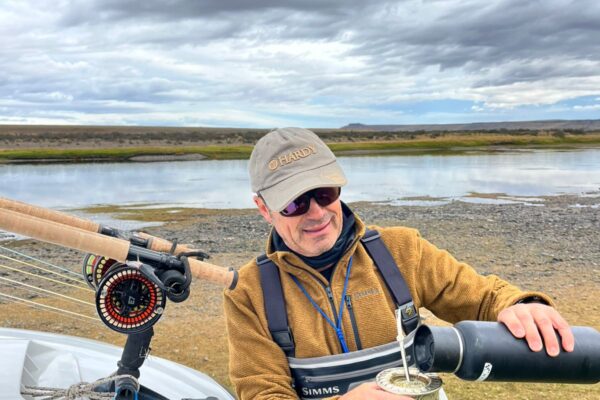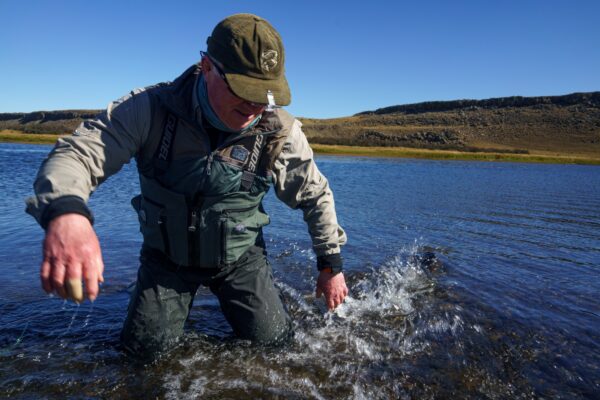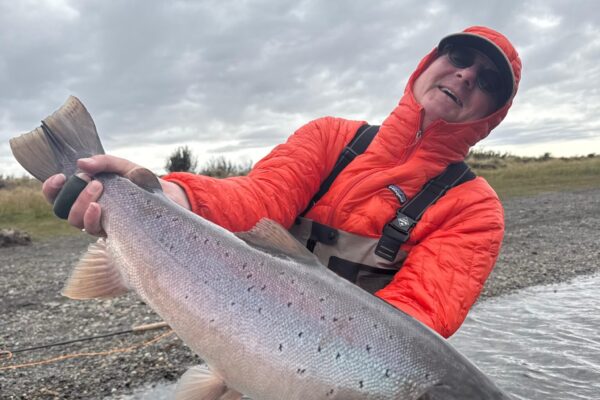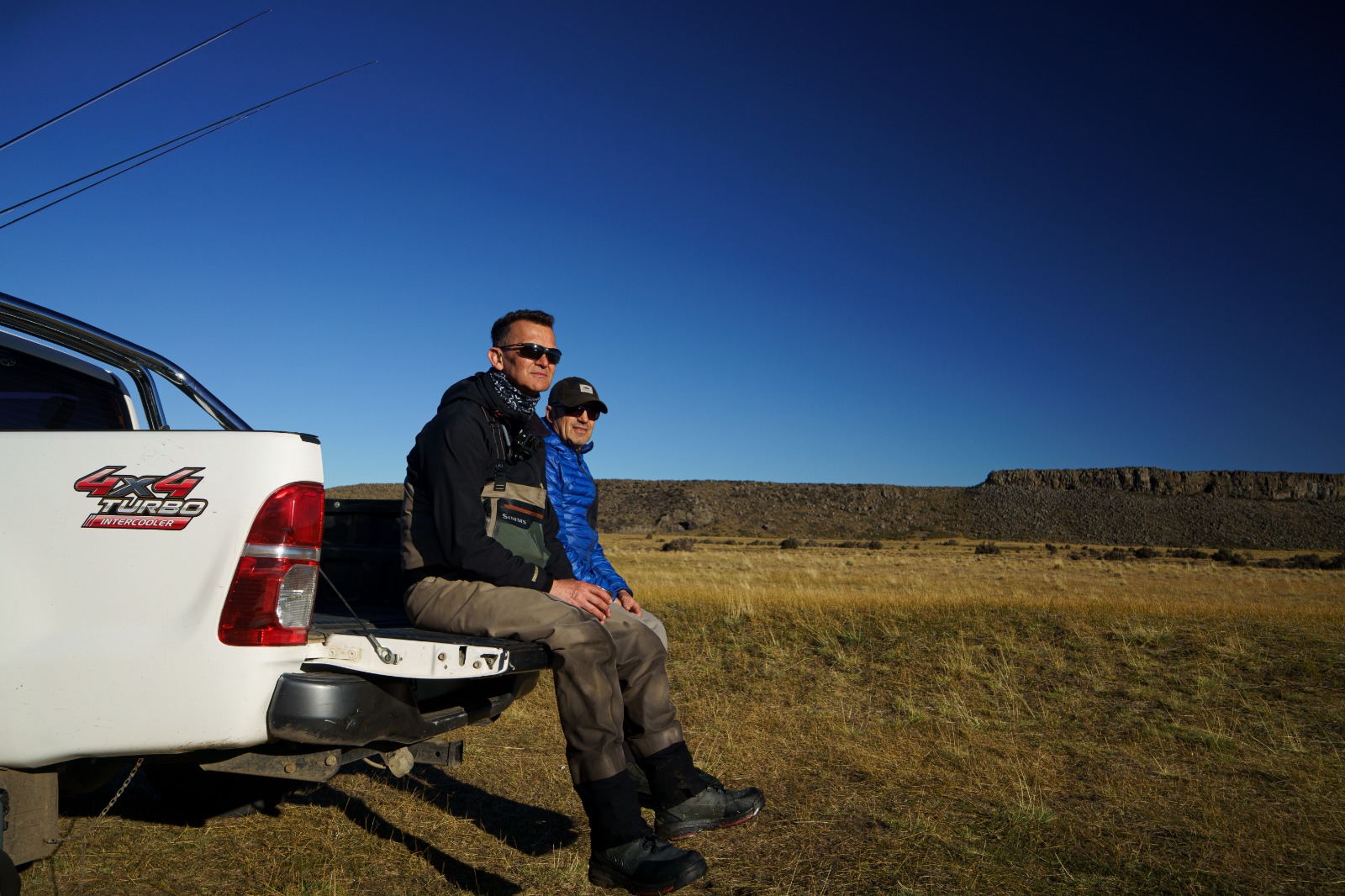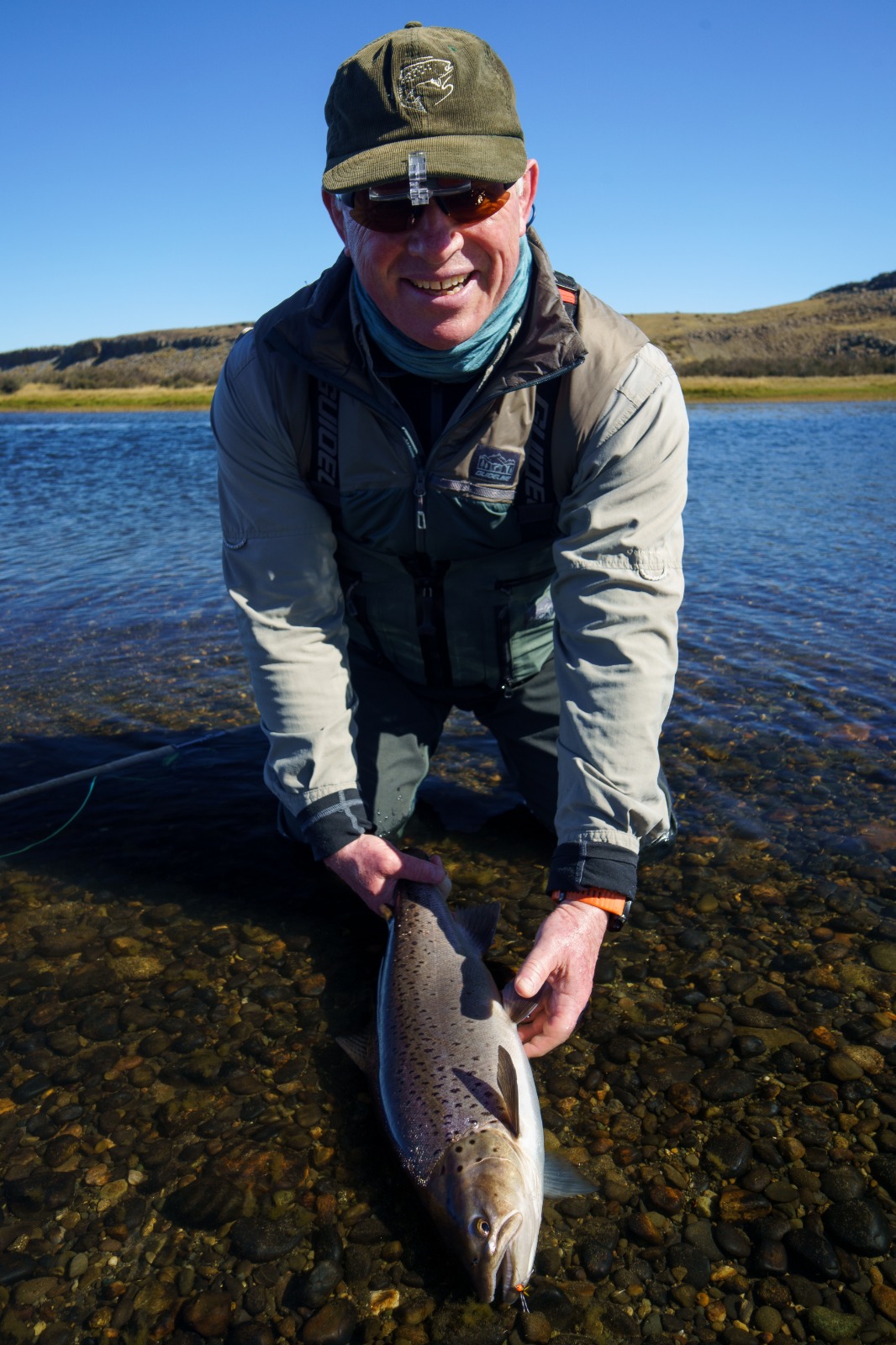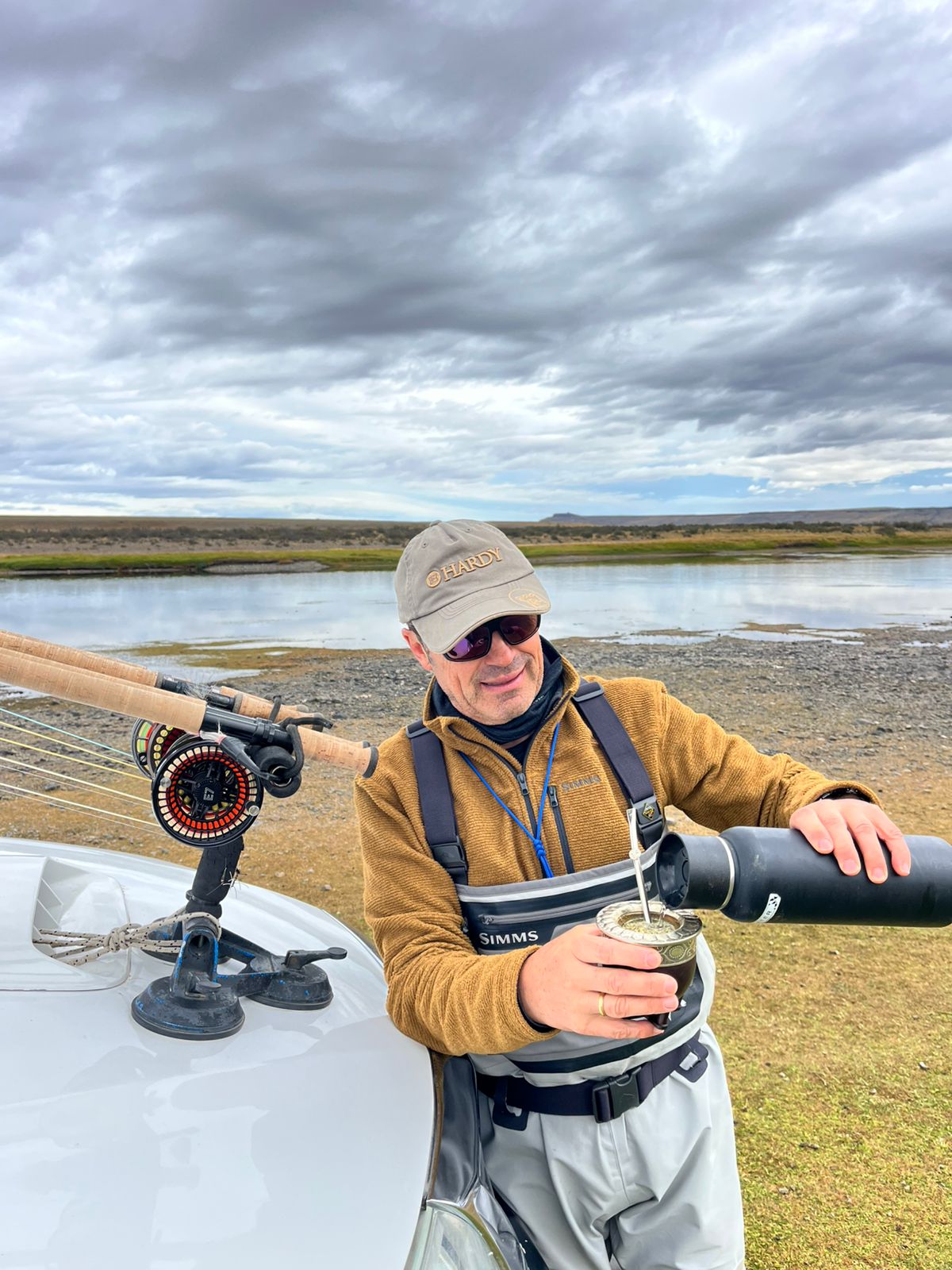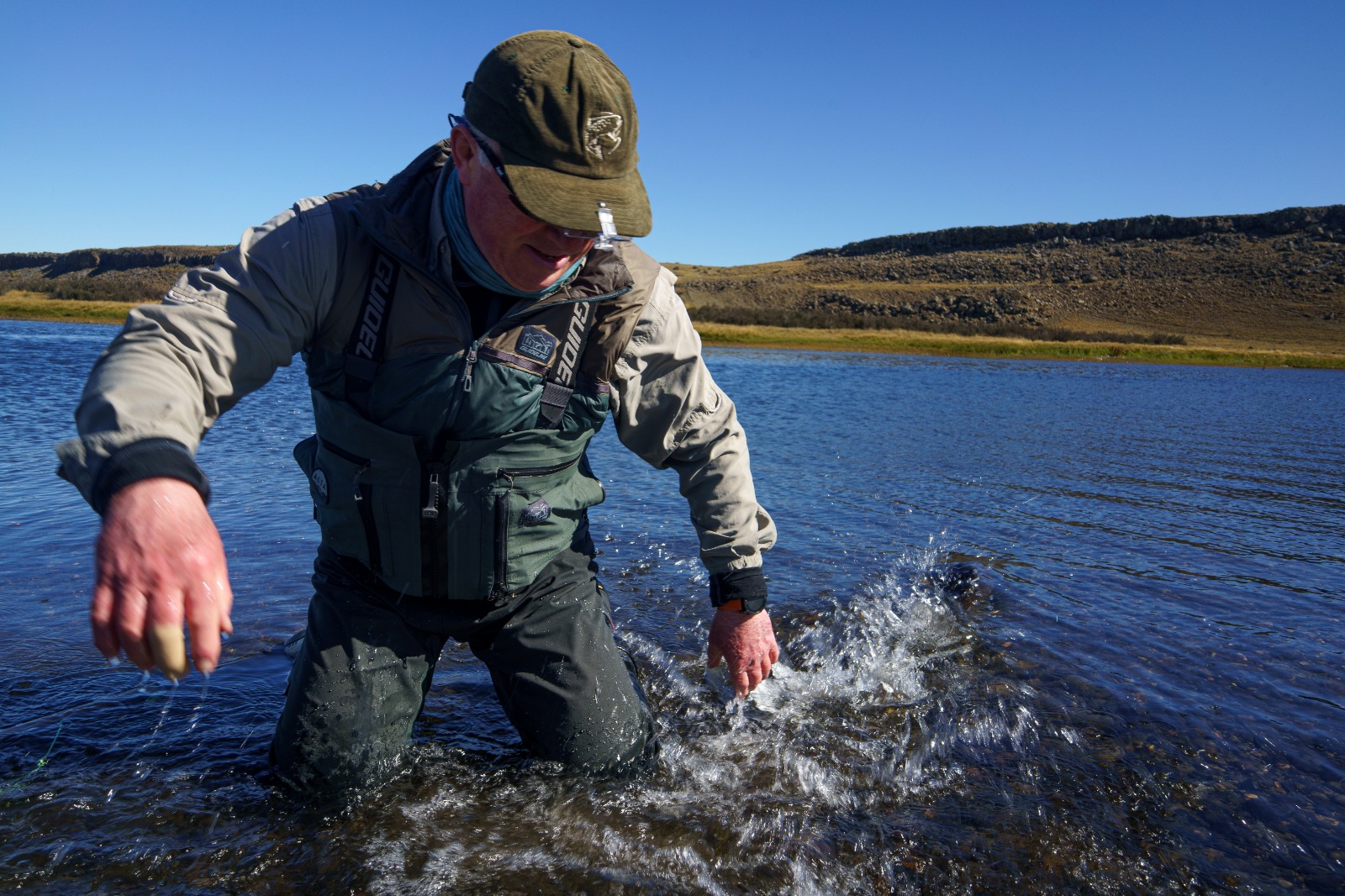

Welcome to the Week 8 report from Las Buitreras!
As the second half of our season kicked off, it also marked the beginning of fall here in Southern Patagonia.
This week we welcomed a group made up almost entirely of regular or returning guests — all except one. Our German friends Sven, Toni, Dietmar and Michael were beginning the second week of their stay at Las Buitreras. This week they were joined by the rest of their friends and regular group members: Peter, John, Marco and Amanda, who all flew in from the UK and would be staying for one week.
Our final three guests this week included another of our annual visitors, Sam — a very keen and experienced steelhead angler from the US, who was starting the first week of his two-week stay. Along with Sam was another returning guest whom we last saw back in 2018, Ferrucio from Italy. He was accompanied by our only first-time guest this week and fellow Italian, Sergio.
We absolutely love arrival night. It carries a feeling very similar to the one you experience as a child on Christmas Eve — wondering what might be waiting for you under the tree the next morning!

Weather conditions this week were considered quite ‘normal’ for this time of year, although the morning air was certainly beginning to show signs of the seasonal change.
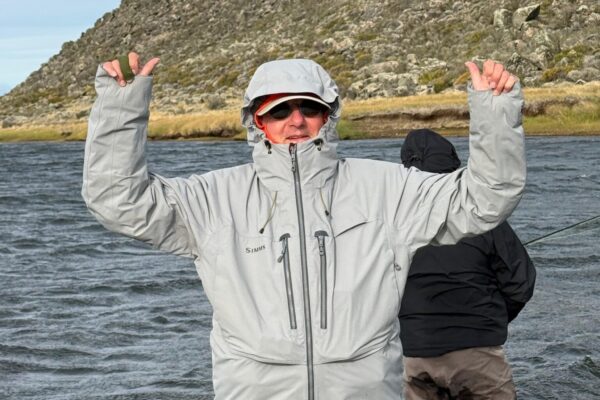
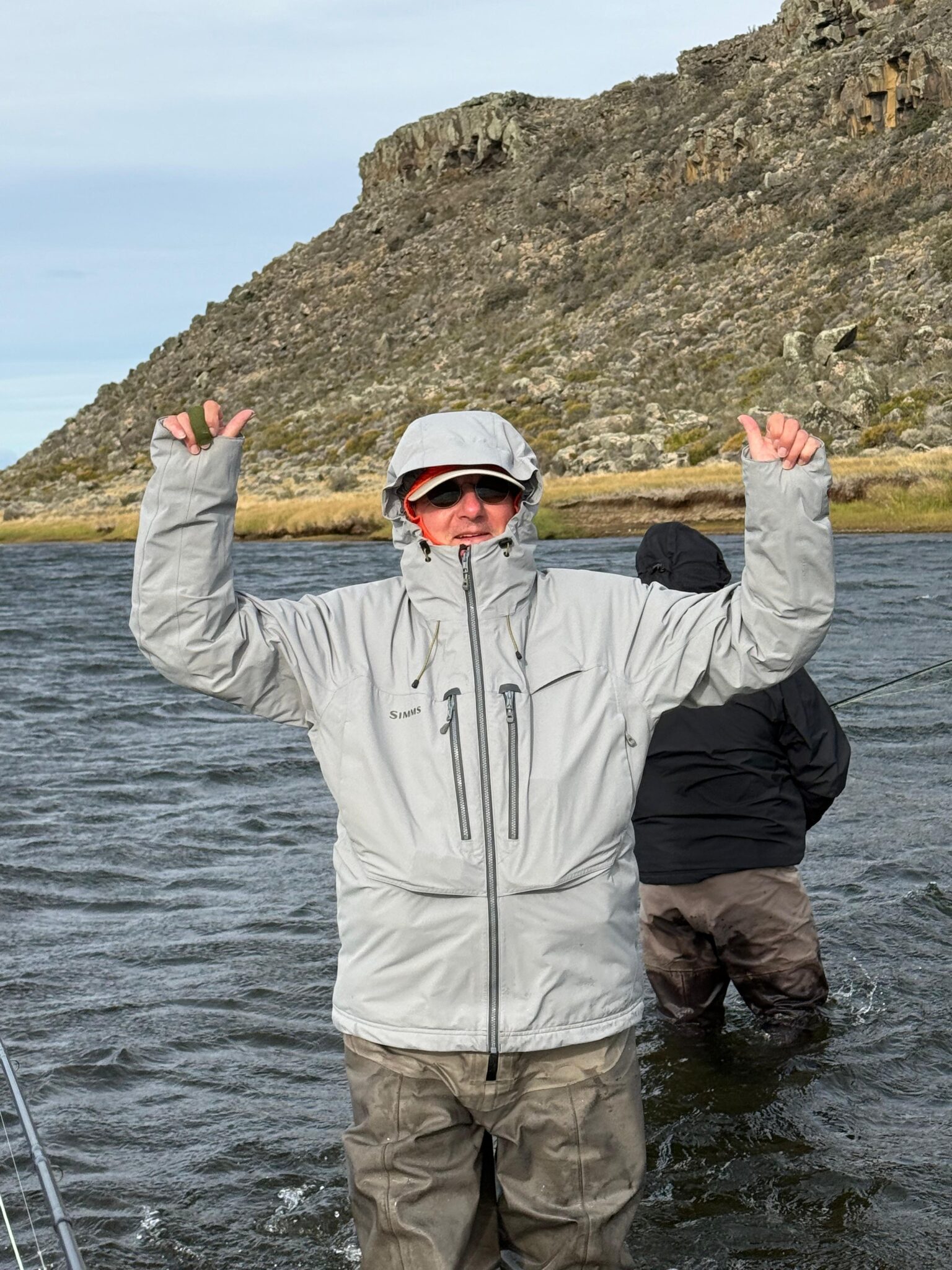
Temperatures were mostly stable throughout the week. During daylight hours we experienced highs between 12–18°C. The exception came on Wednesday, when a strong south-westerly wind arrived. Combined with a low air temperature, it made the day feel particularly cold, with the thermometer reaching only 10°C. Nighttime temperatures were also relatively stable, dropping to lows between 6–8°C.
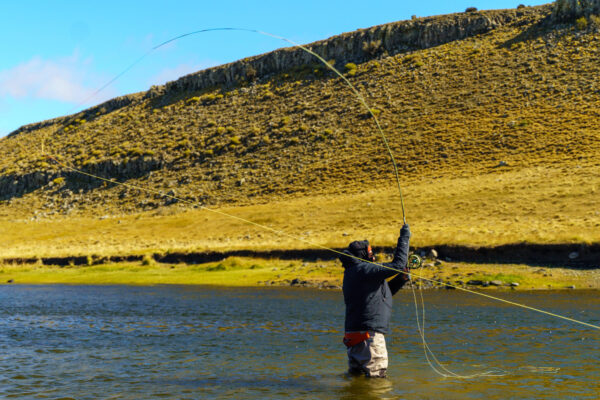
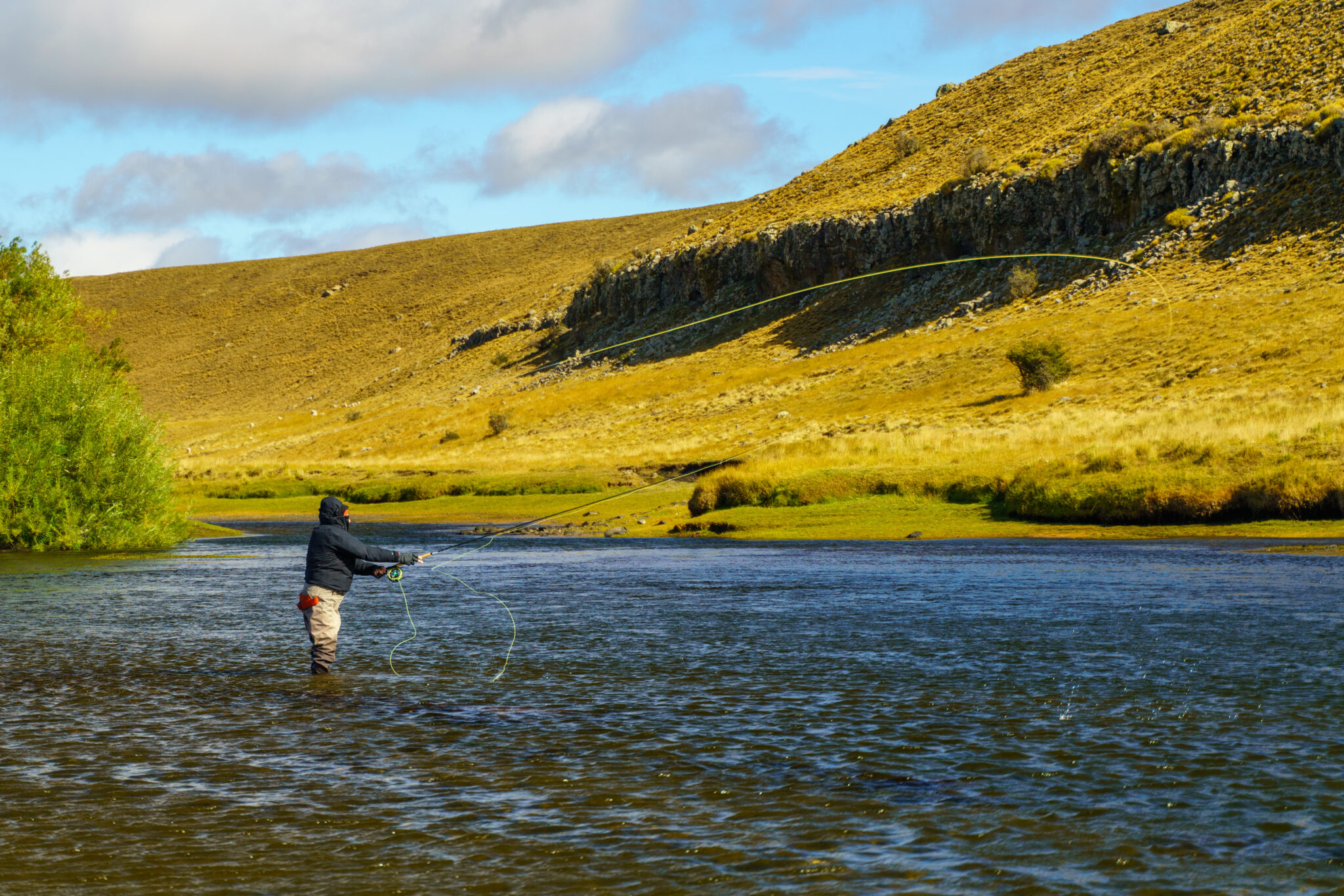
Winds this week were a little kinder to us than the previous one. We started with a moderate north-easterly — not the ideal direction, but still very manageable. From Monday through Thursday we saw a return of the prevailing south-west to west winds, mostly light to moderate in strength.
The exception again came on Wednesday, when strong gusty winds arrived, particularly during the middle of the day when speeds exceeded 75 km/h. We finished the week with light to moderate winds once again from a north-easterly direction.
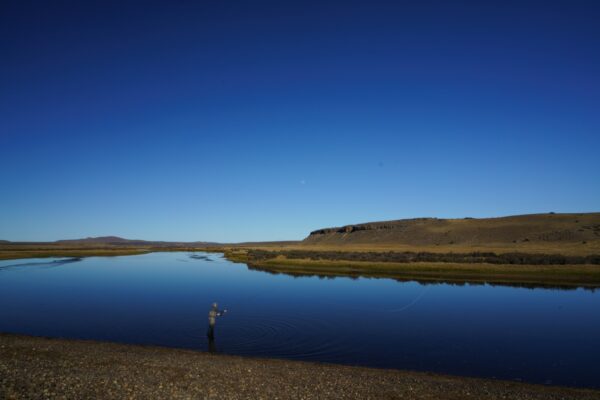
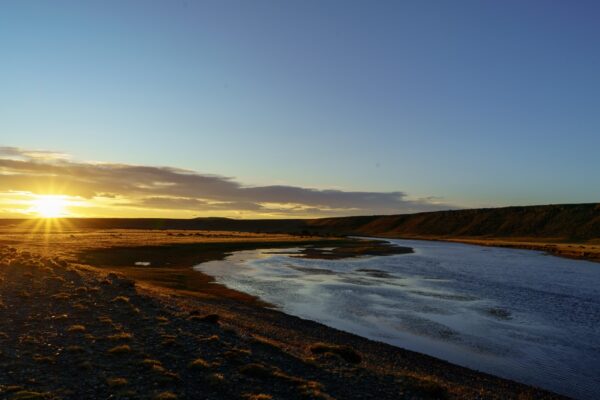
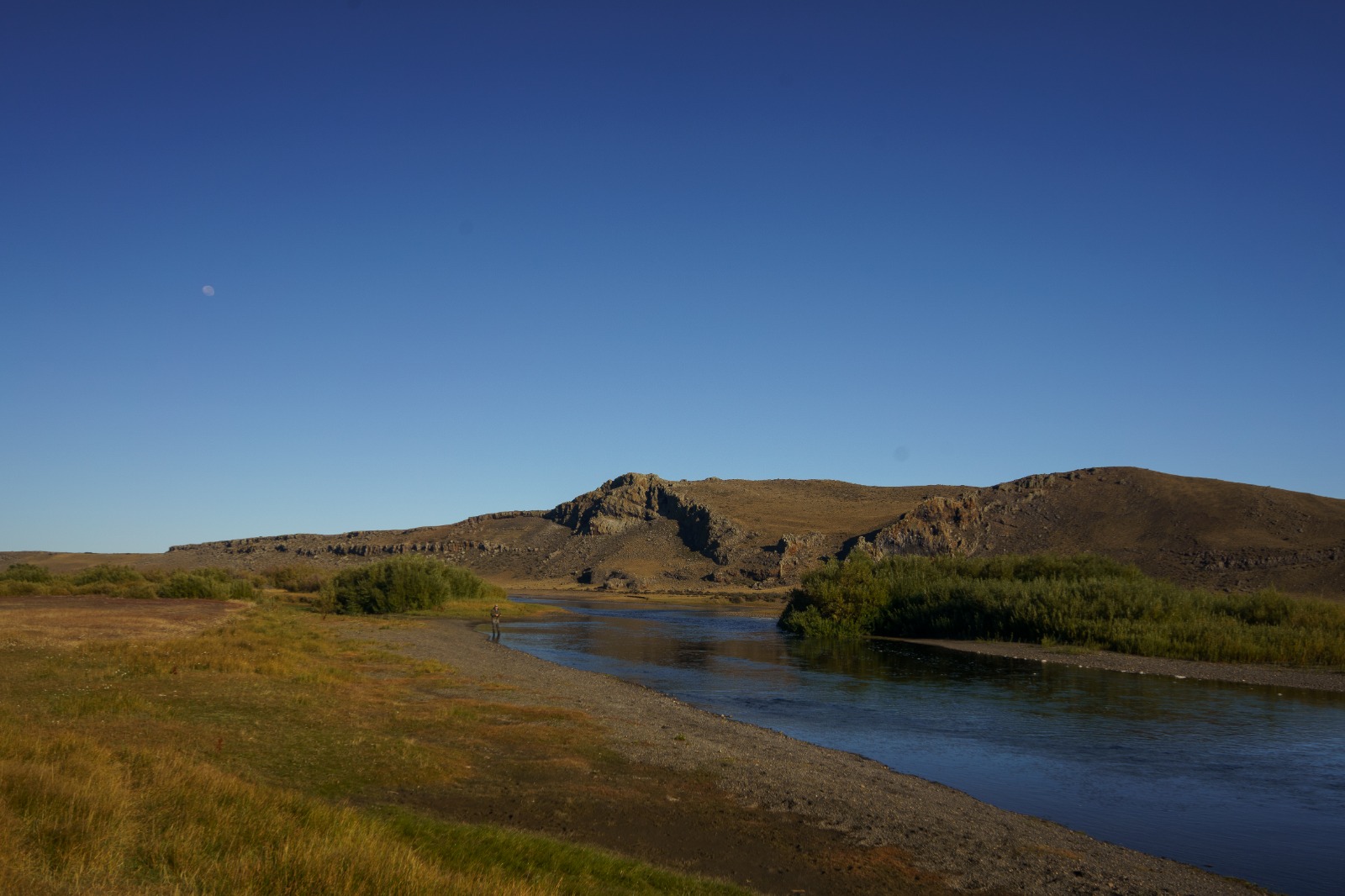
Light levels were similar to previous weeks — generally bright with plenty of sunshine. Although we did receive occasional cloud cover, it never lingered for long periods.
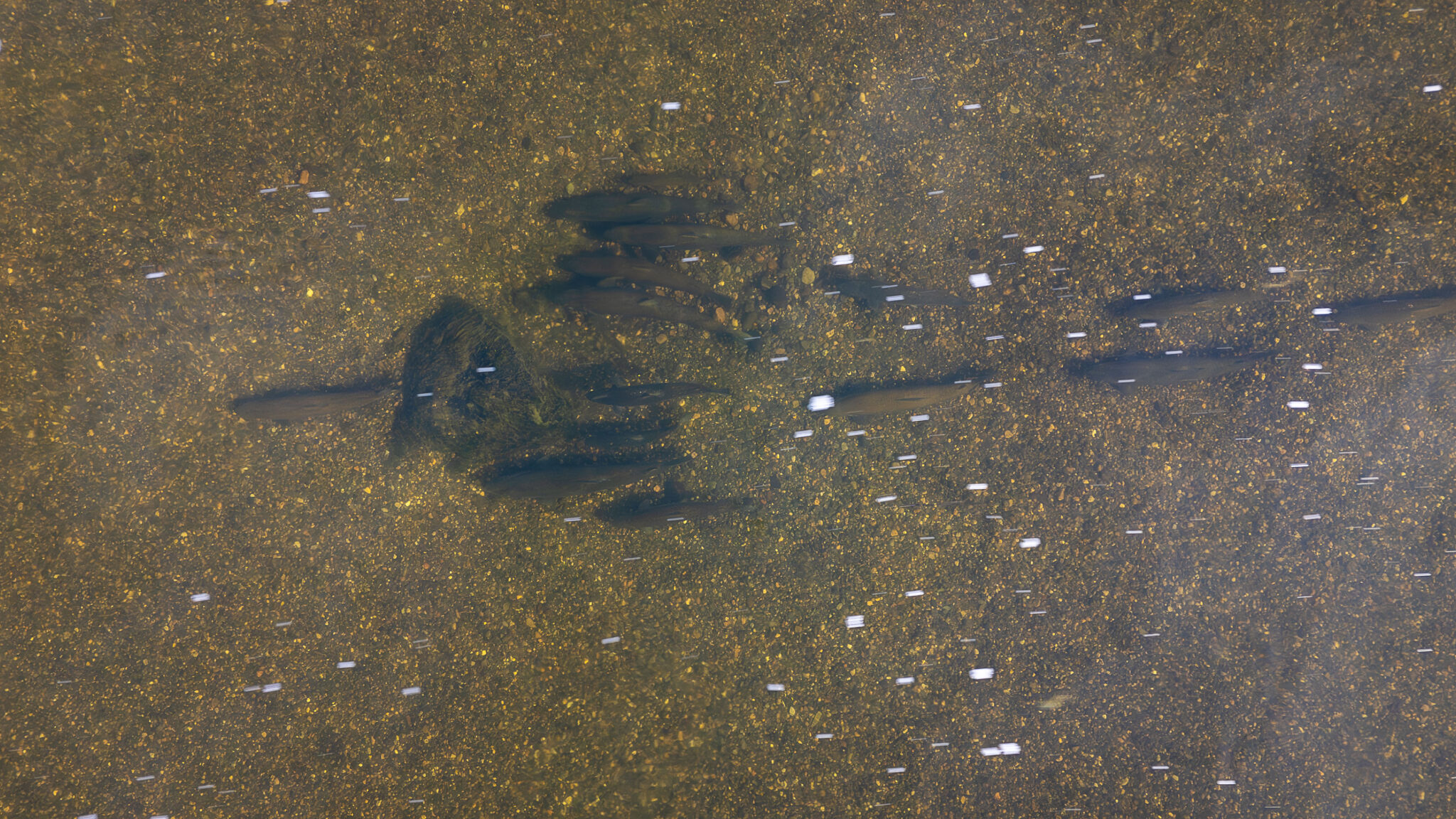
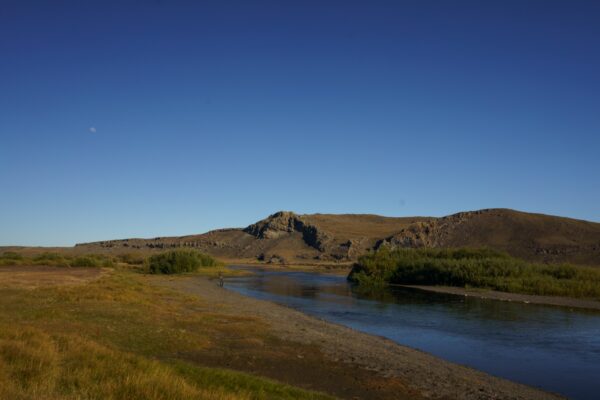
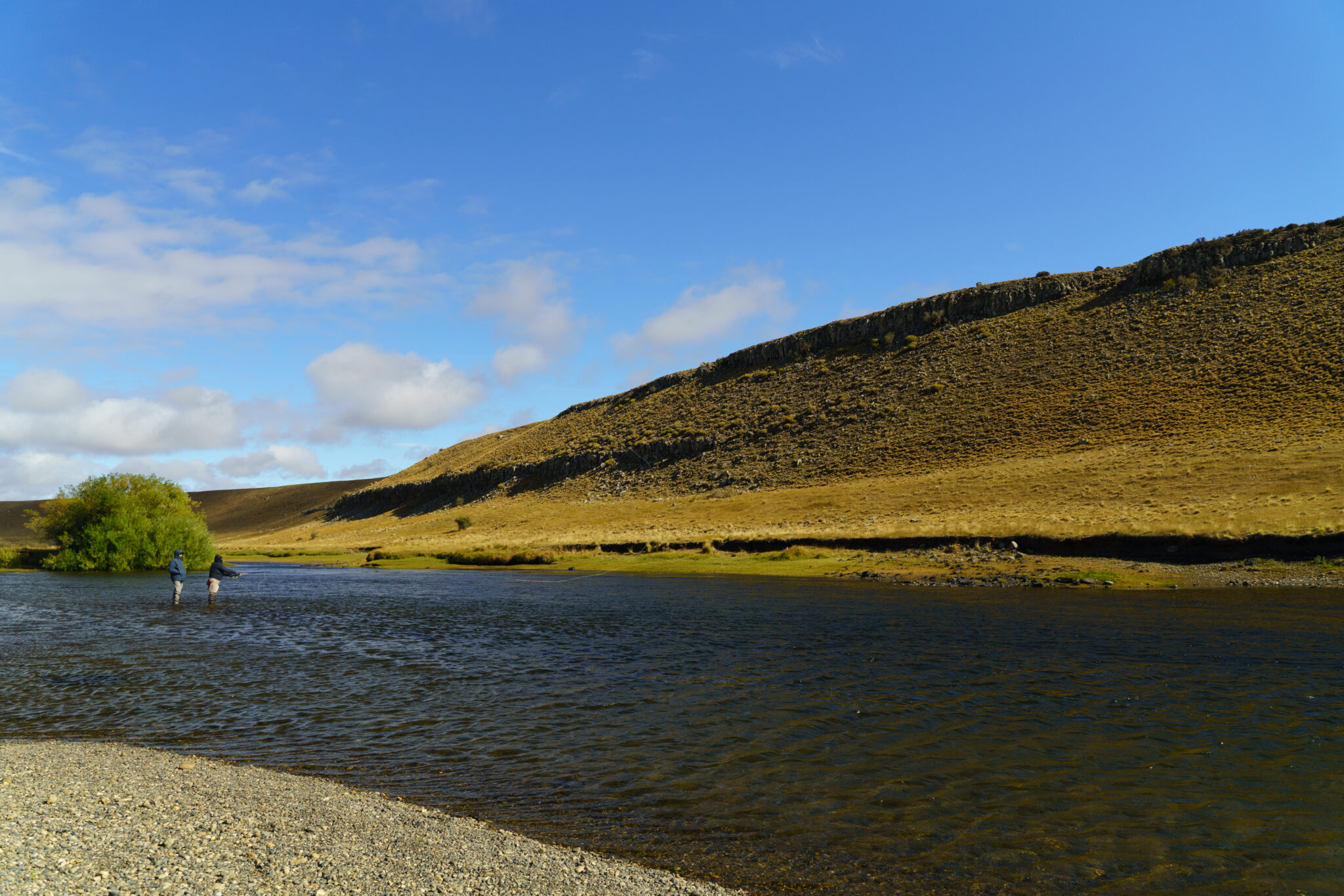
River conditions remained much the same as in previous weeks. The water level at the beginning of the week read minus 45 cm and remained stable throughout.
Over the last ten days or so we have been receiving small pulses of “top-up” water — only a few centimetres at a time, but enough to prevent any further drops in water level. In fact, we finished the week with a slightly better reading (-40 cm) than we started with.
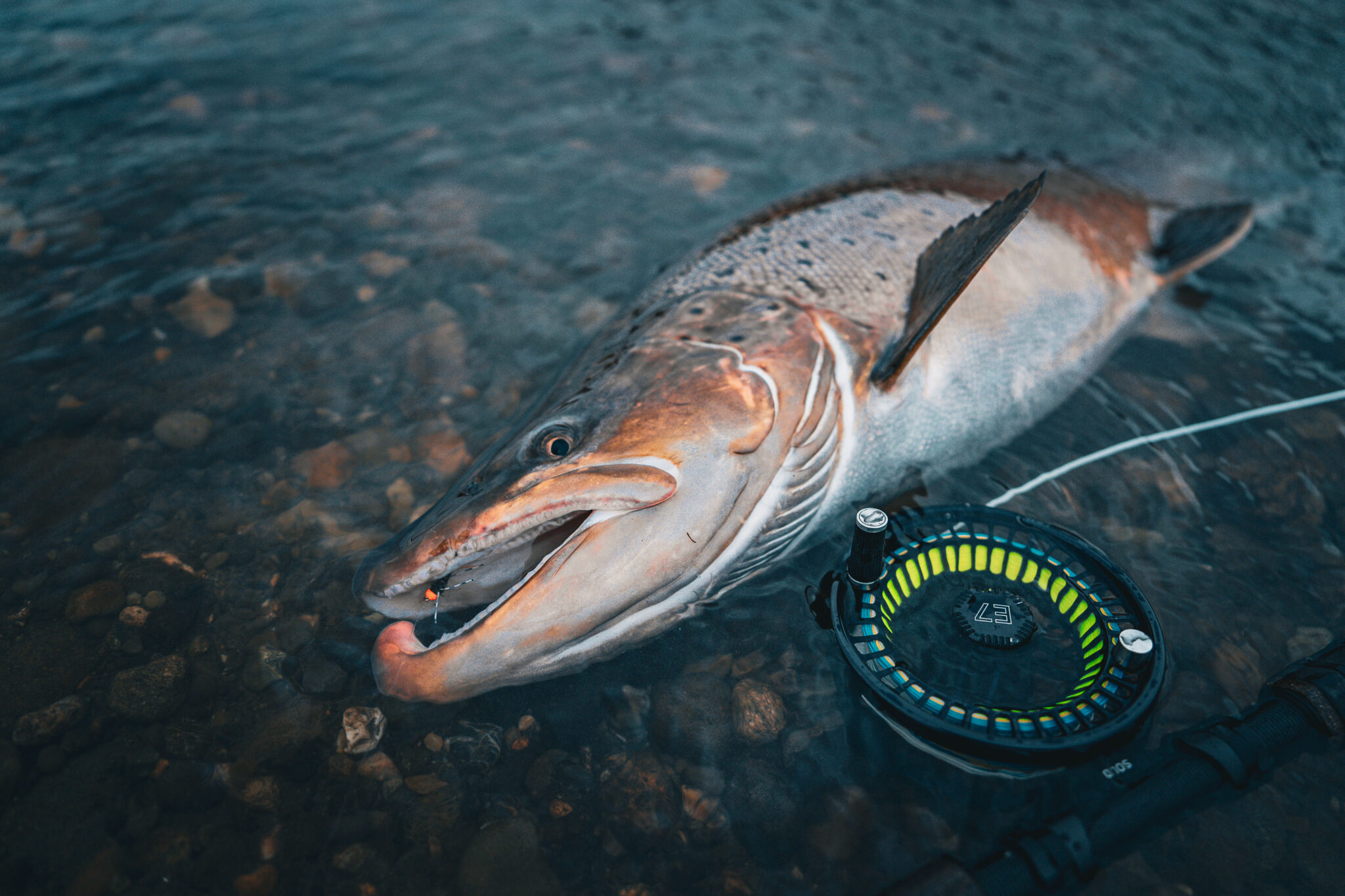
Tactics remained much the same as in previous weeks.
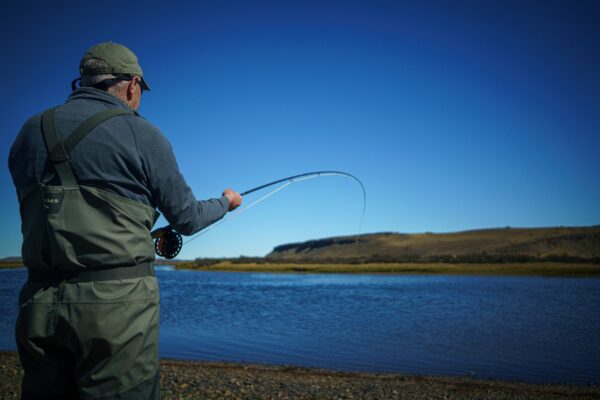
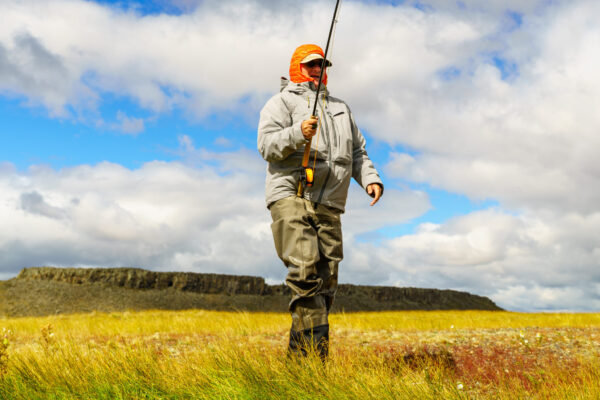
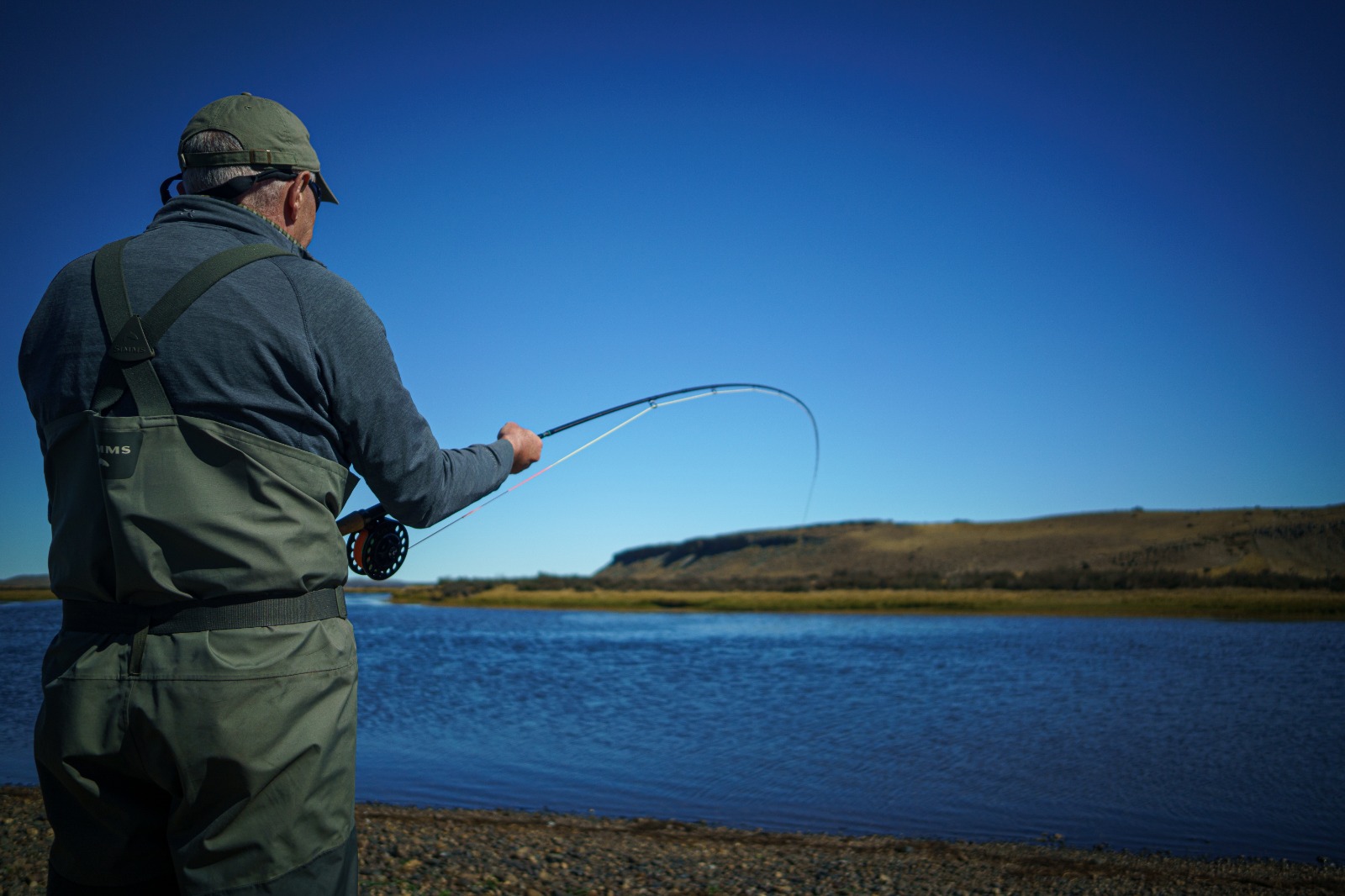
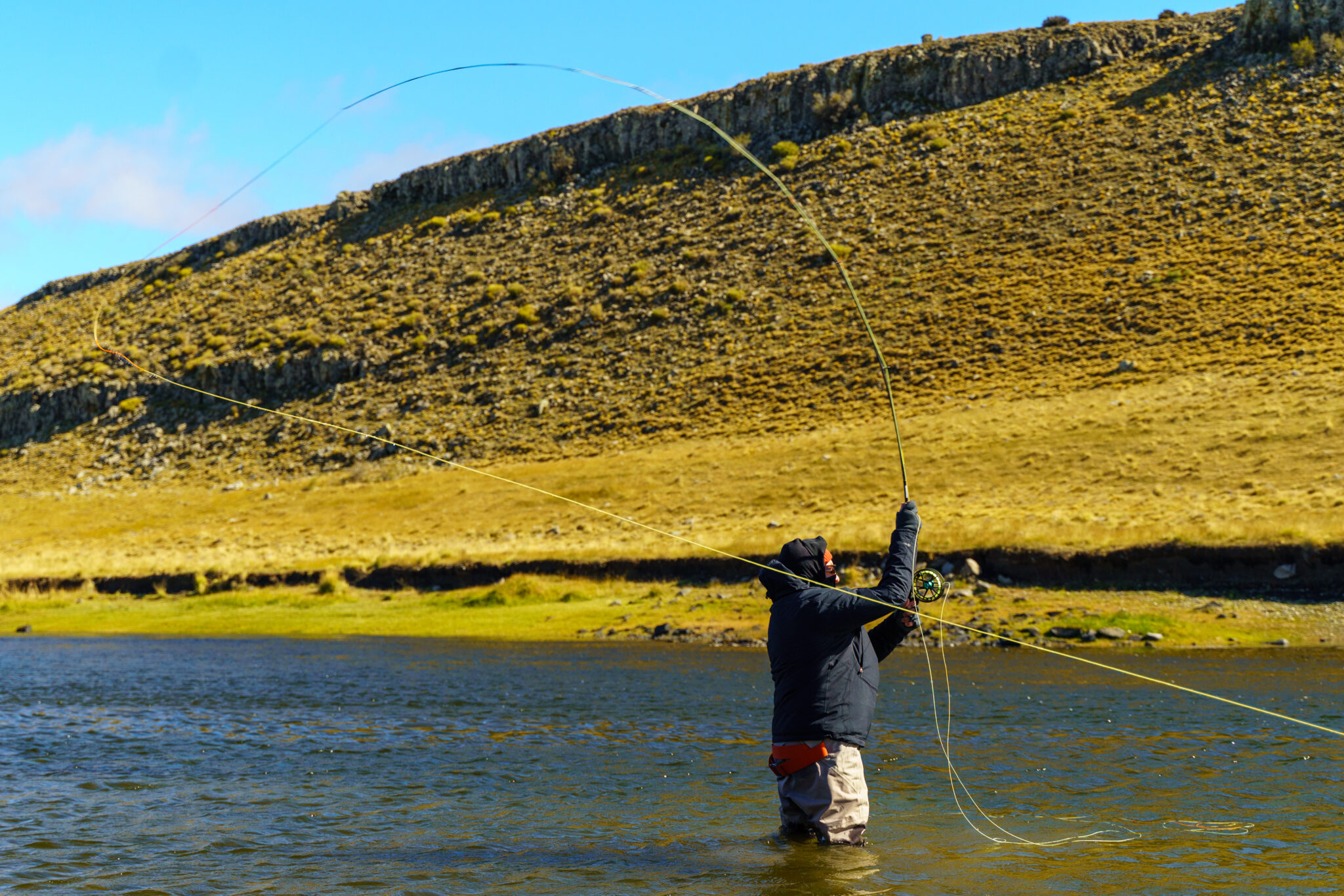
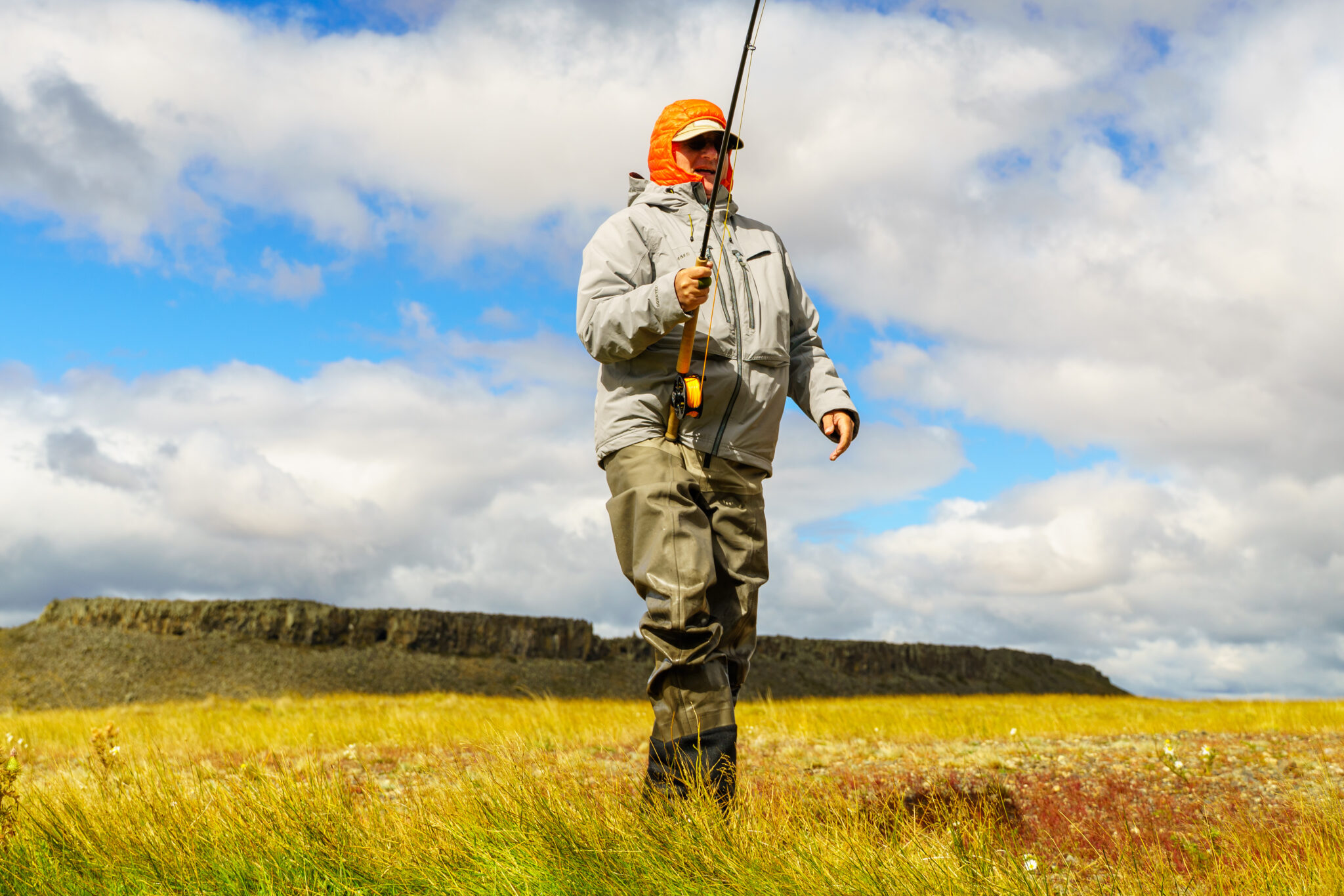
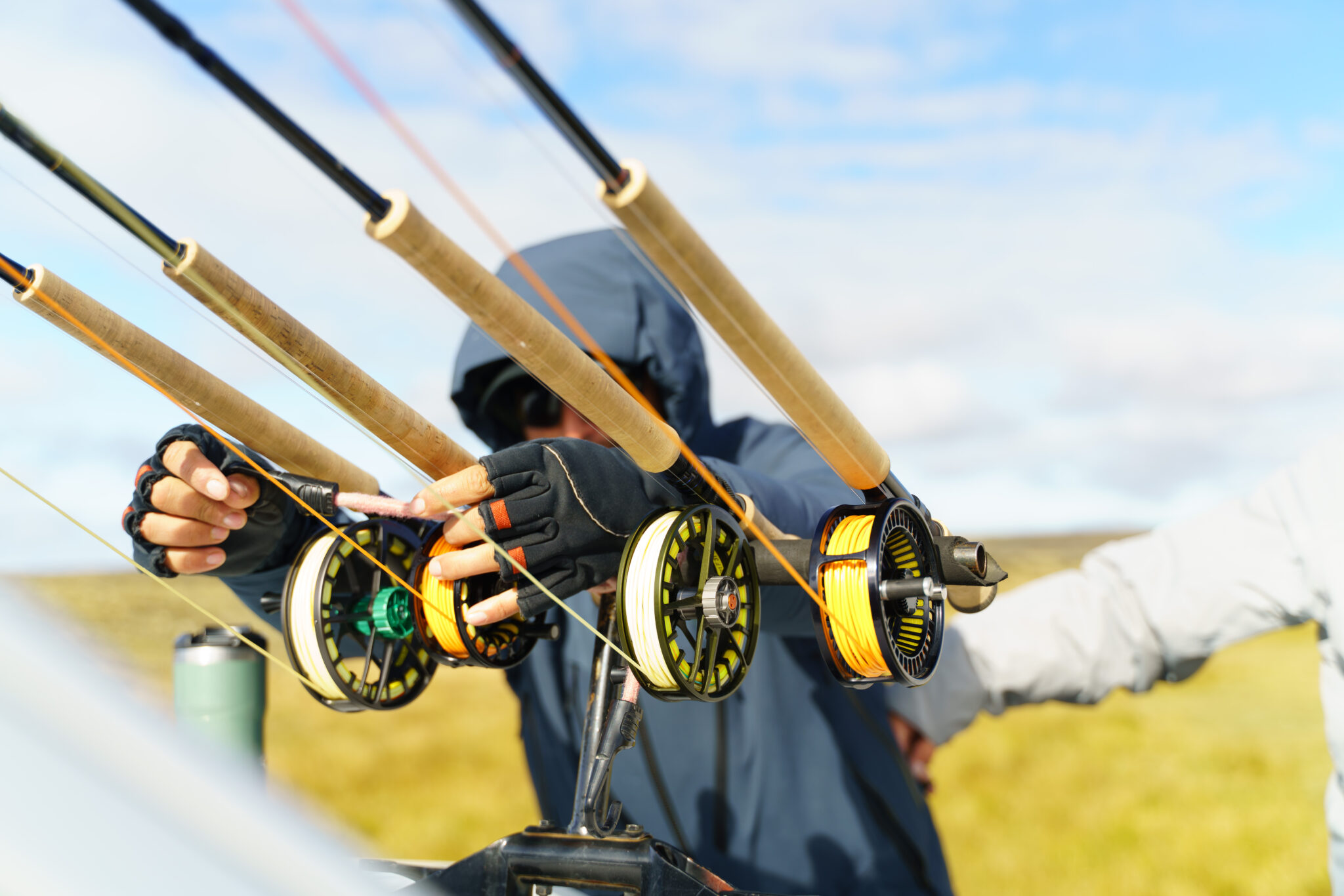
Our guests used single and double-handed rods in the 7# and 8# weight classes. These were paired with floating lines or heads, switching tips or polyleaders from floating to intermediate depending on the pool being fished.
Fly choice also remained practically identical to that used for most of the season. Small bead-head nymphs were the standard during daylight hours, with pool structure and flow determining when a change was required. Very small traditional salmon flies (sizes 12–16) were also a popular choice, particularly when fishing shallower runs with stronger flow.
As we mentioned earlier, Wednesday was an extremely windy day. The strong breeze churned up sediments and added a little colour to the water, which required a slight change in tactics. We removed the small nymphs and salmon doubles and replaced them with larger, more visible flies such as “Girdle Bugs” and medium-sized “Woolly Buggers”. Line and tip choice, however, remained the same.
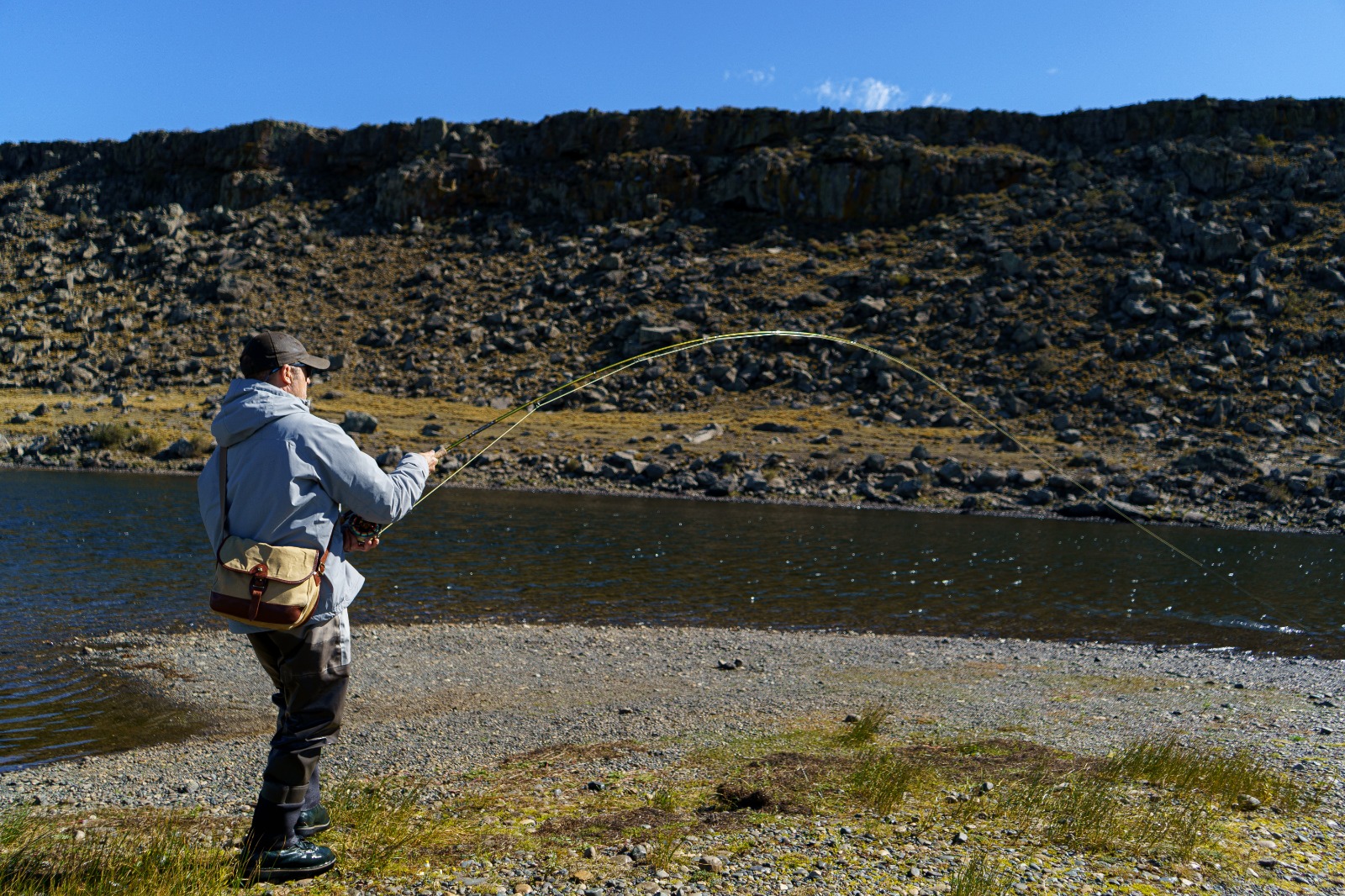
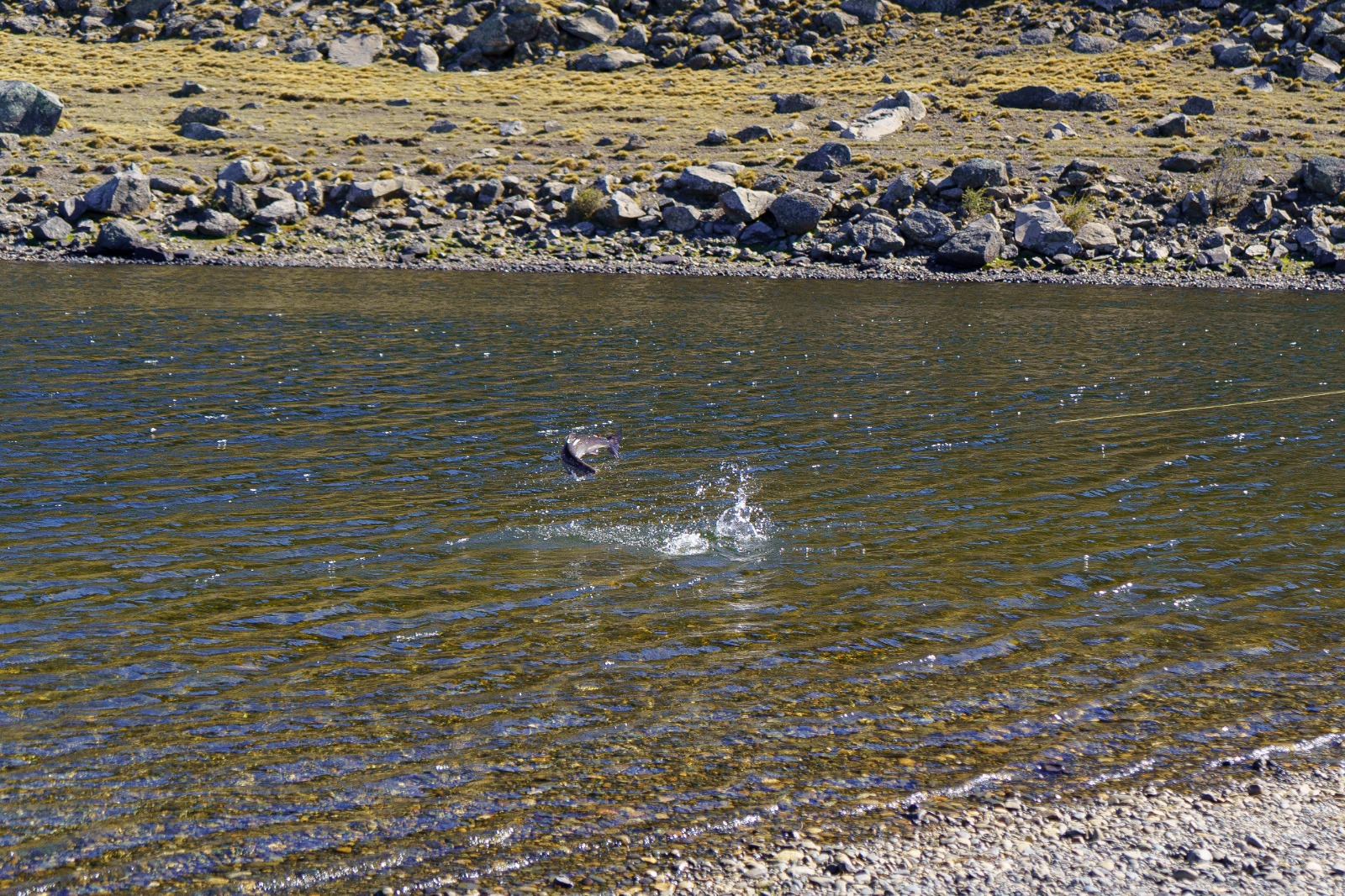
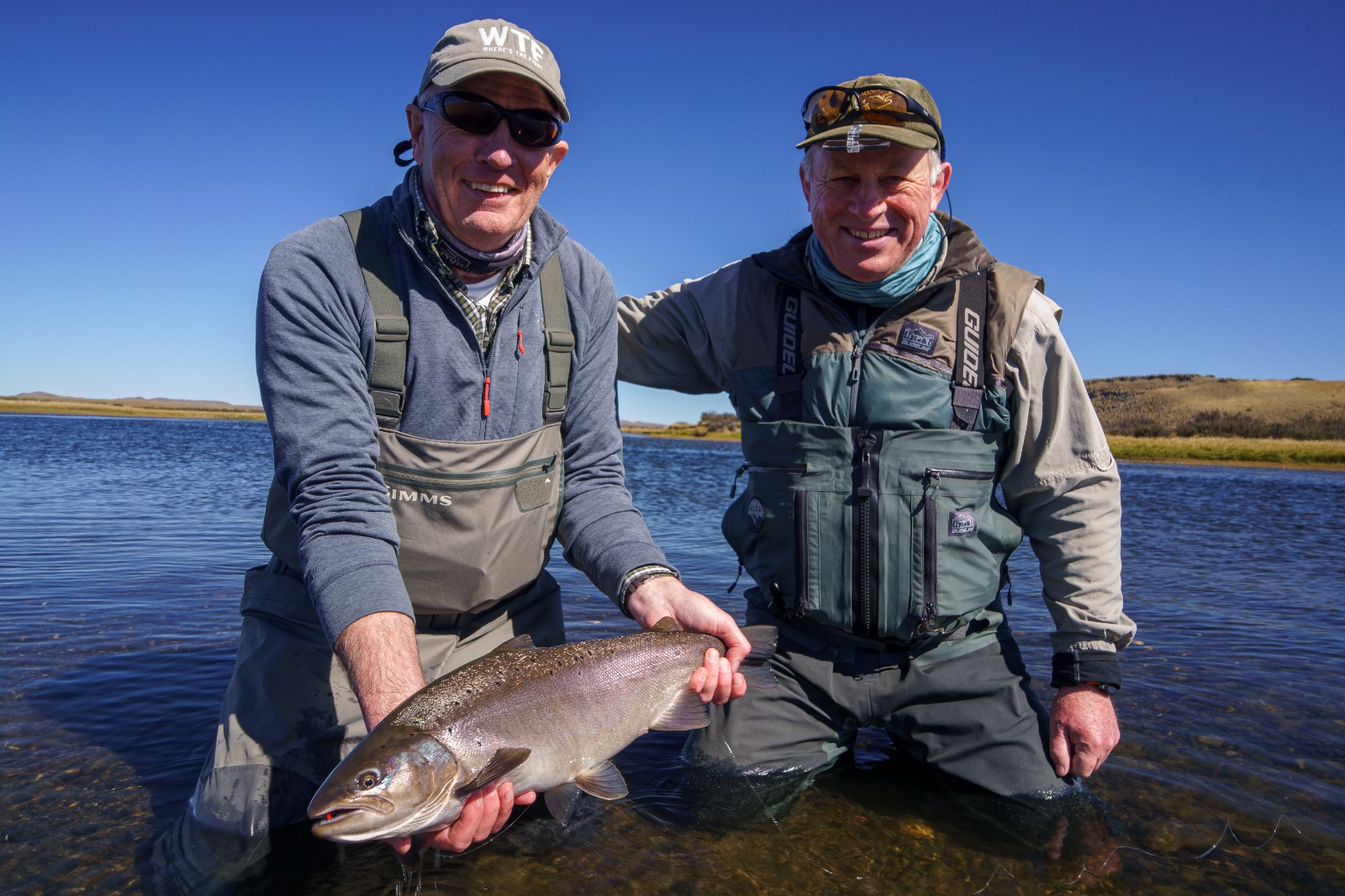
The water levels have not been kind to us this season — to say the least. But despite these challenges, the river has performed remarkably well, consistently delivering quality fish throughout the season, with numbers increasing week by week.
This week saw the best results of the season so far, with Monday standing out as the highlight day — producing thirty fish landed.
The first day of the week was certainly challenging for our guests. A moderate north-easterly wind blew constantly throughout the day. The upstream direction makes fly placement difficult but we always find spots where you can use the wind.
On Monday we experienced a return of the “normal” prevailing wind (west to south-west), and with it came a huge improvement in results.
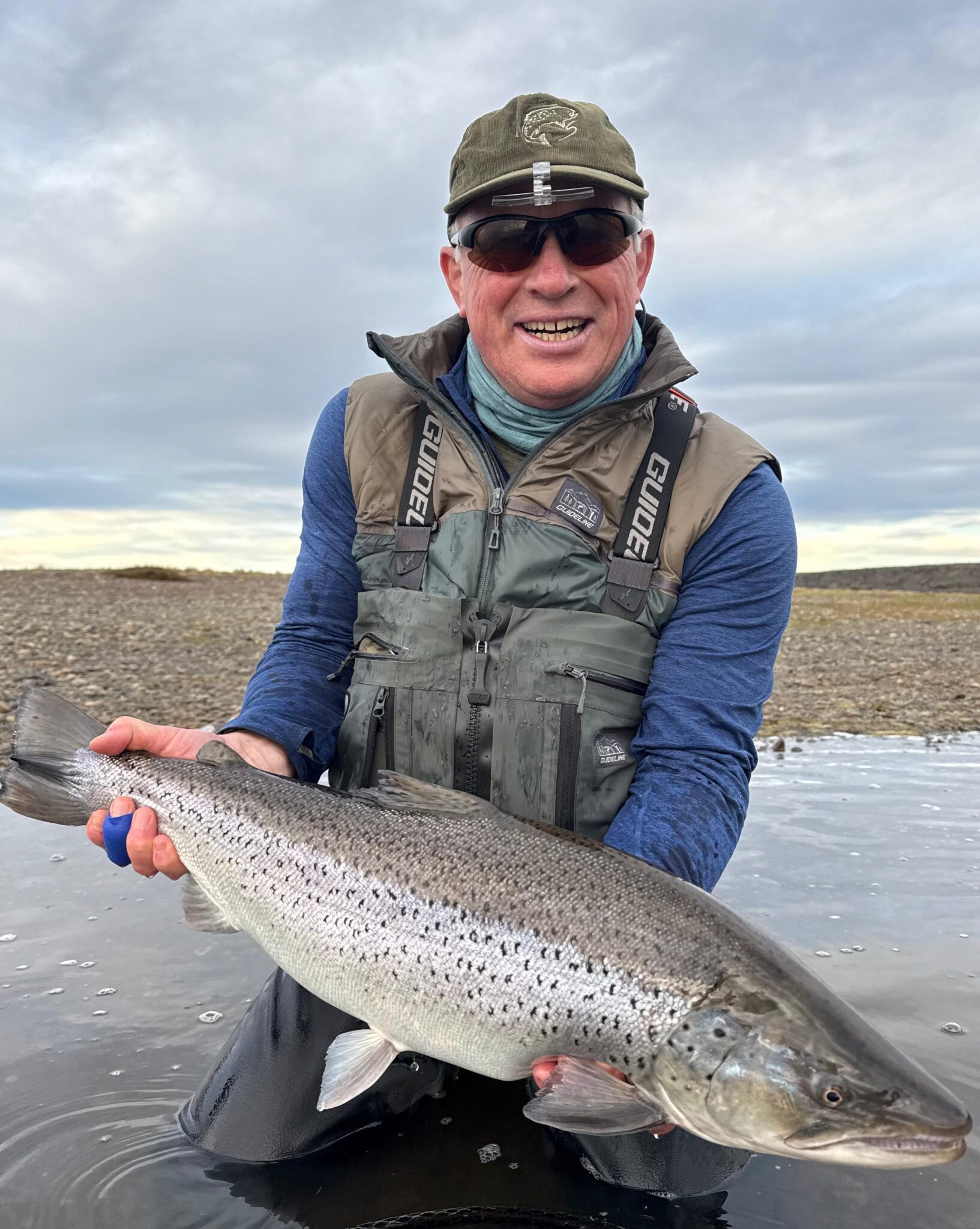
Peter and John had a stellar week, landing more than twenty fish between them, including several into double digits. On Monday alone they brought seven fish to the bank, with the best of the day falling to Peter.
Zone 1 is a particularly popular area with our guests this season, as it contains a number of high-quality holding pools. One of these is “Ochenta”, a productive pool at all water levels but especially reliable during low water when fish tend to hold there well.
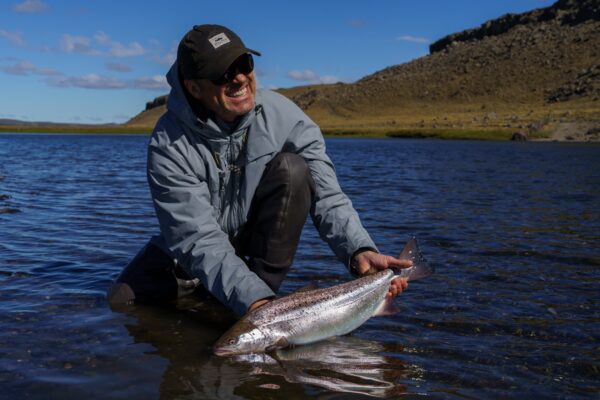
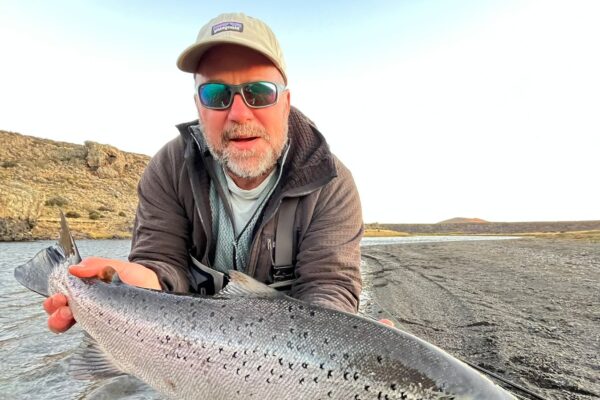
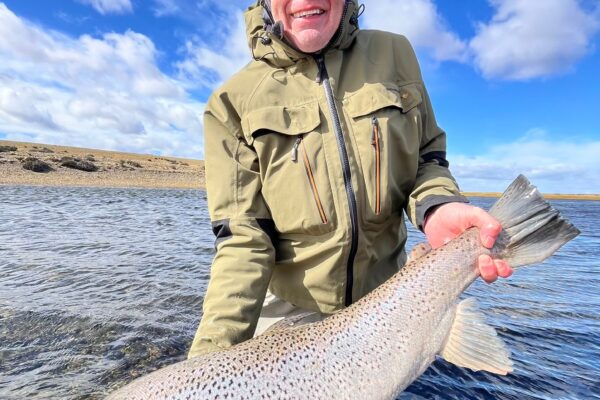
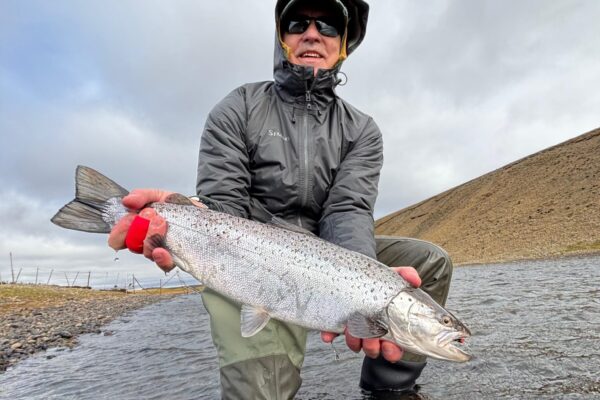
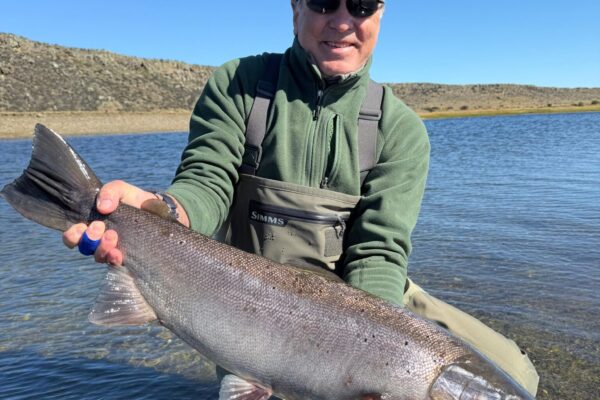
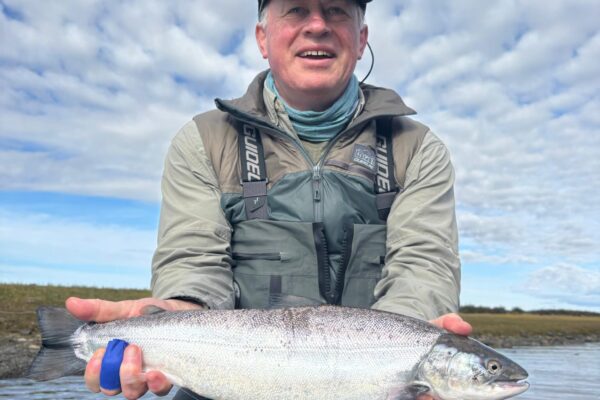
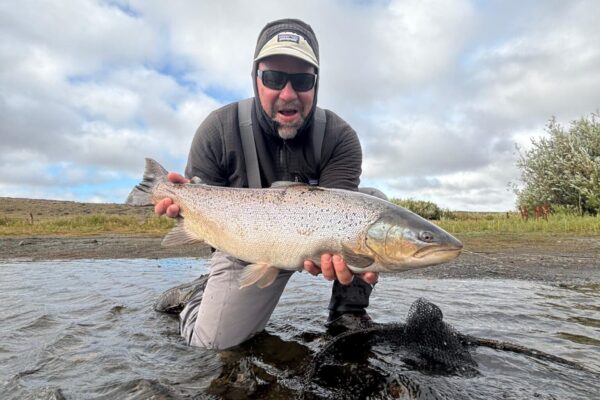
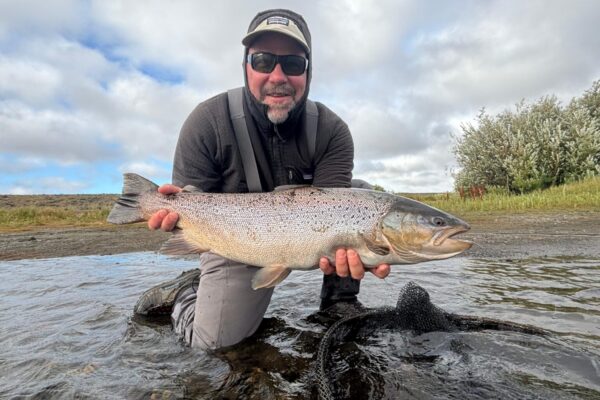
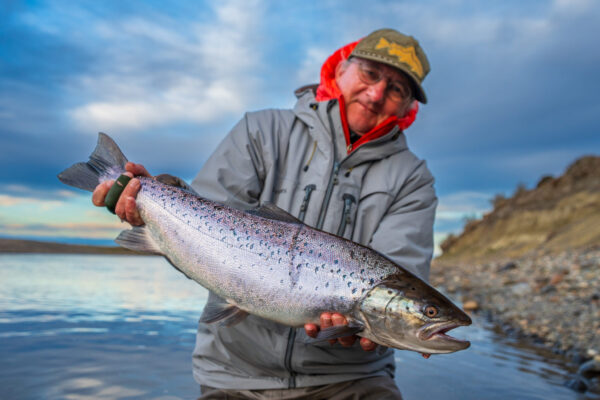
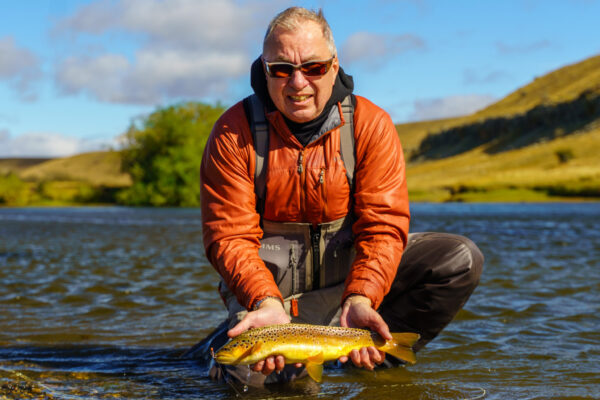
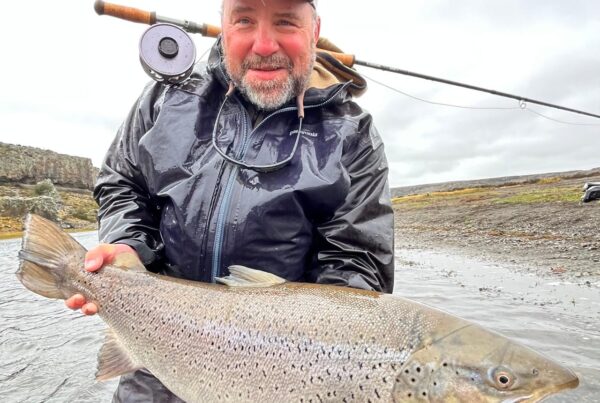
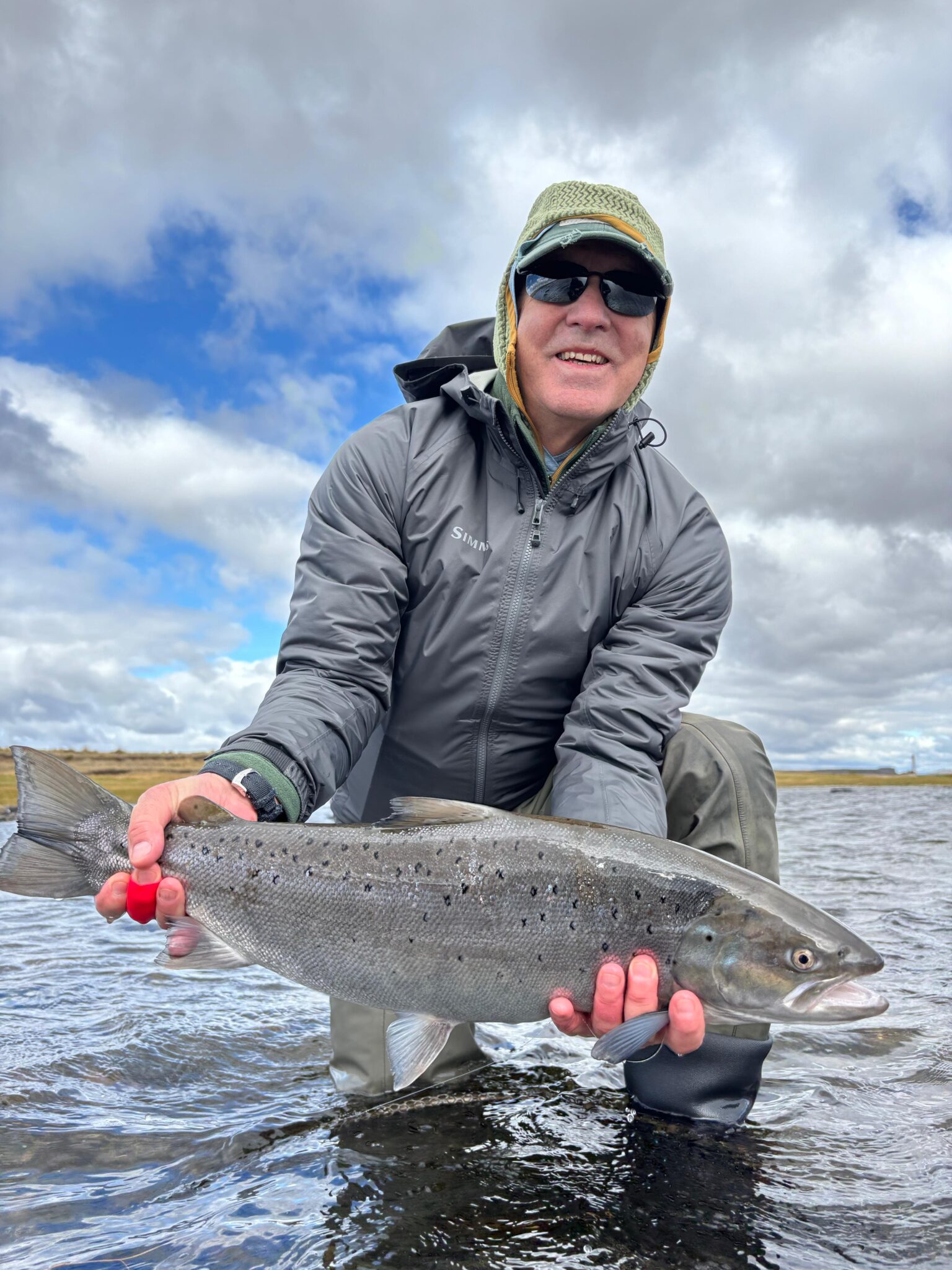
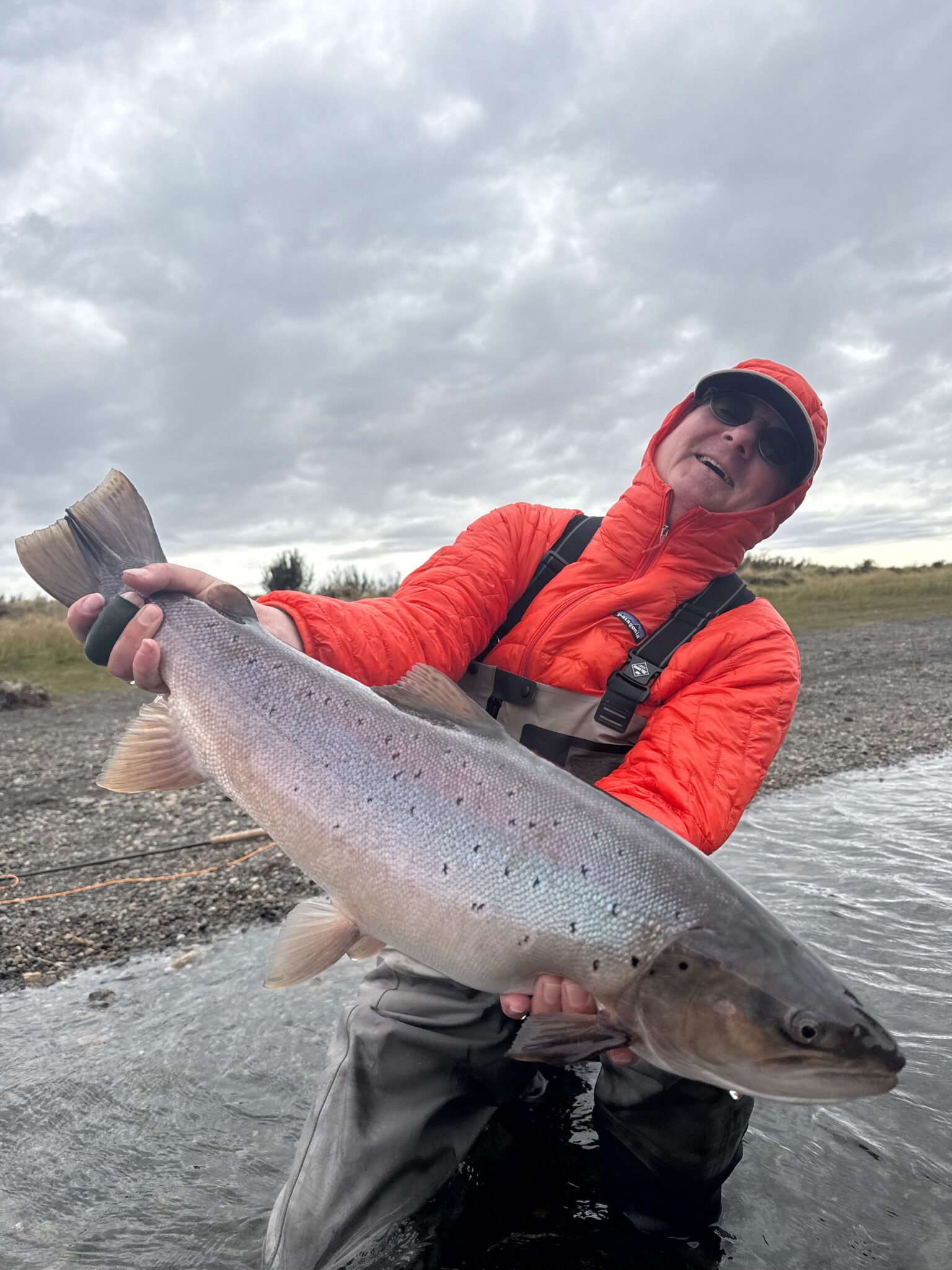
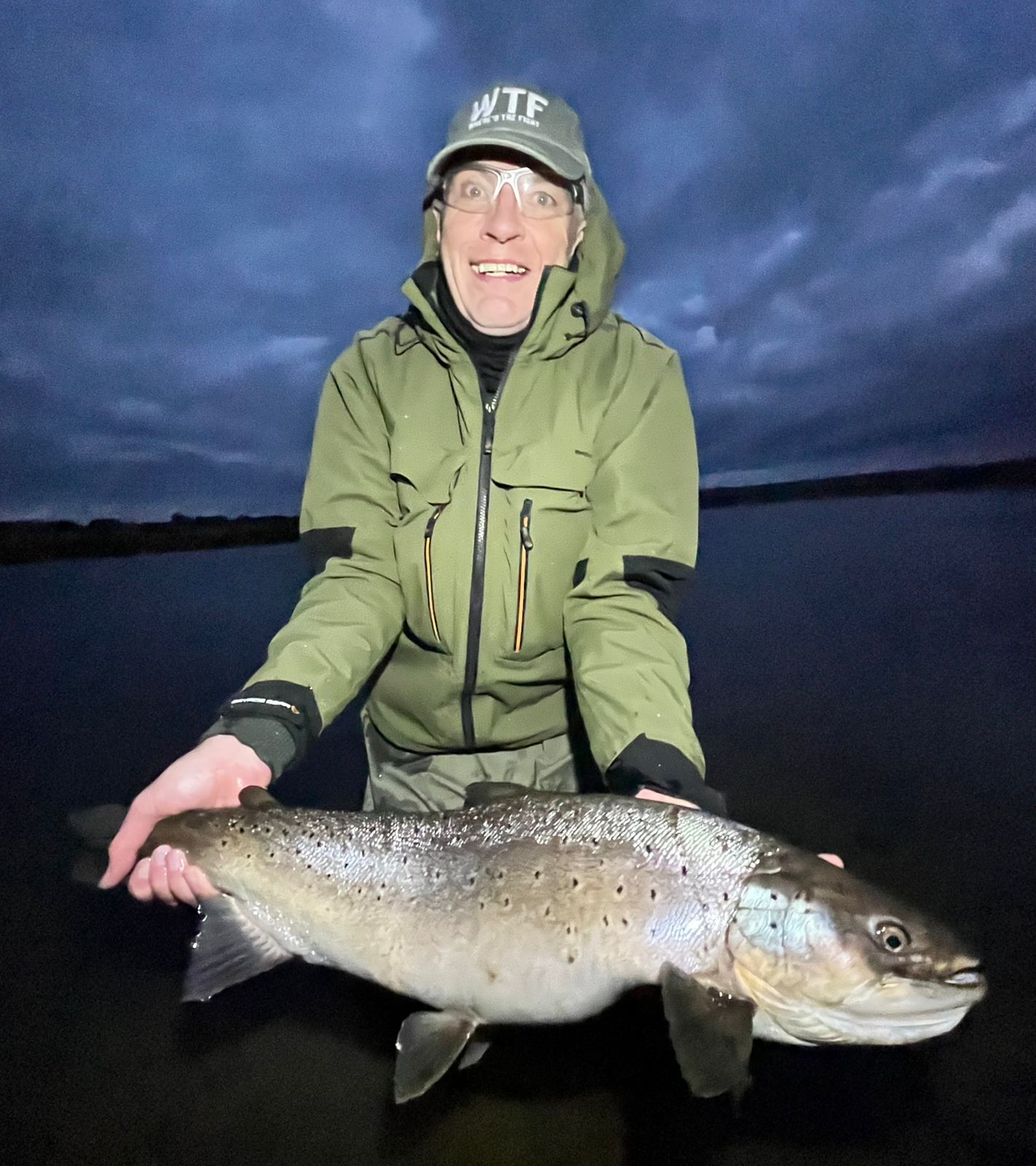
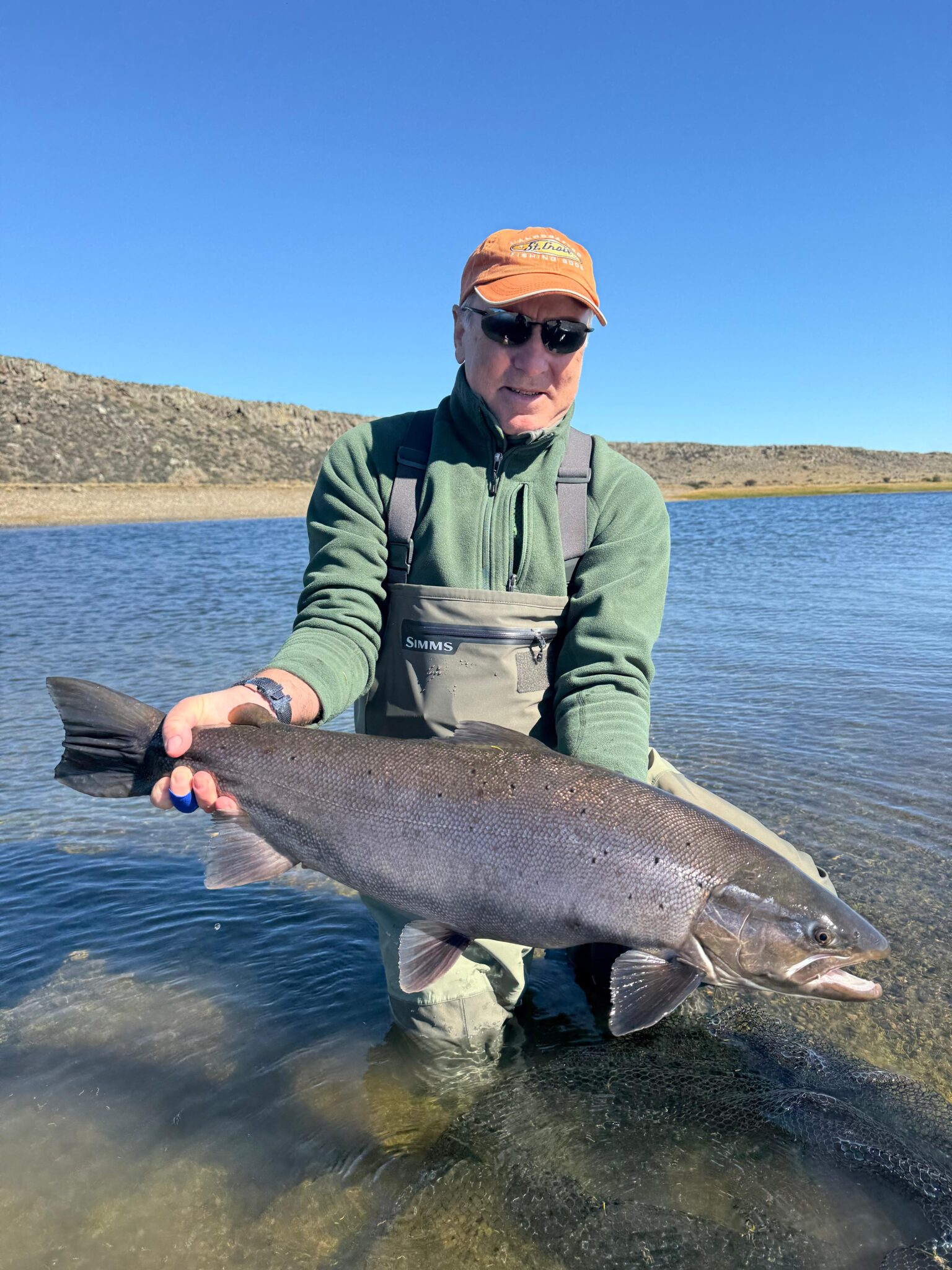
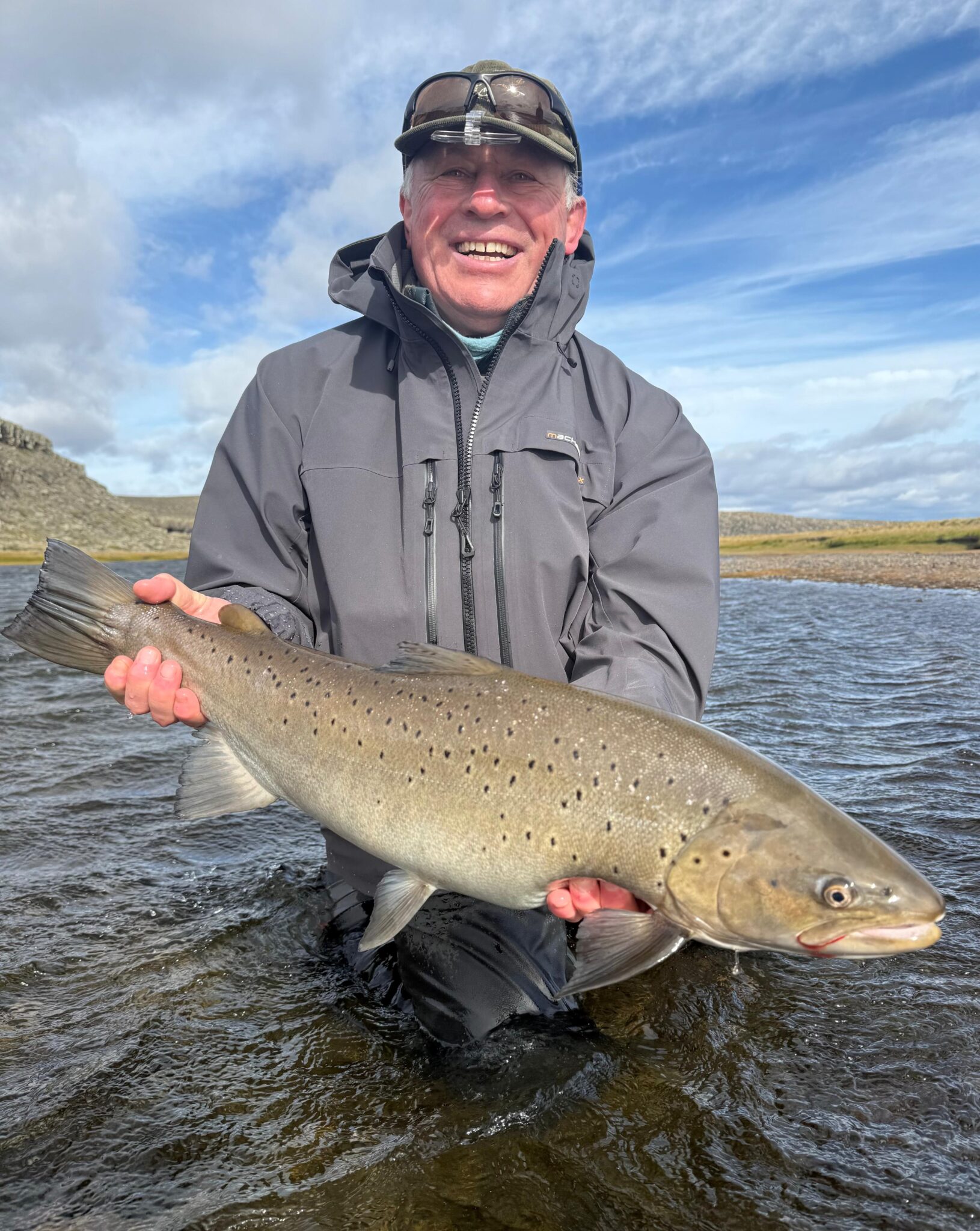
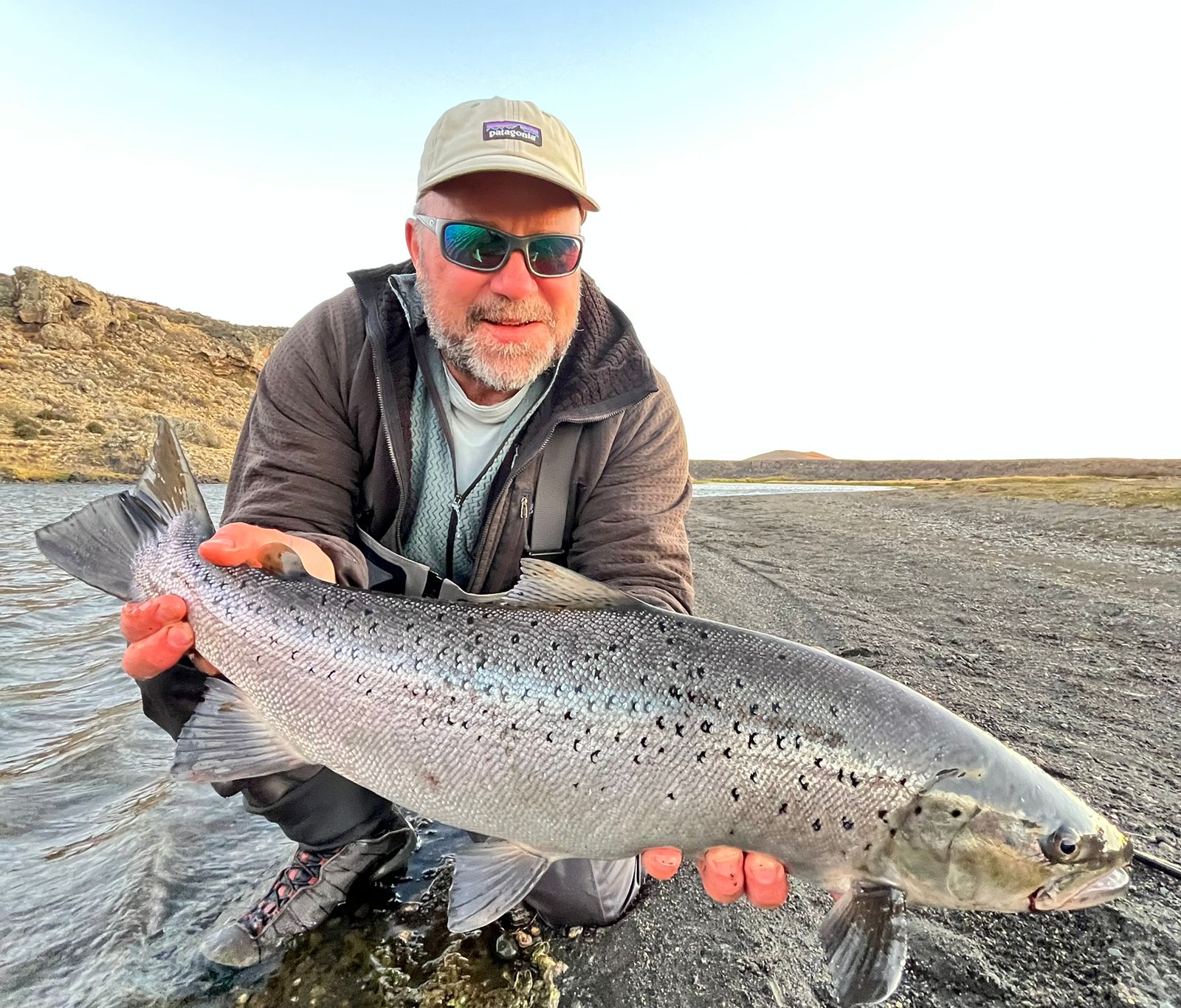
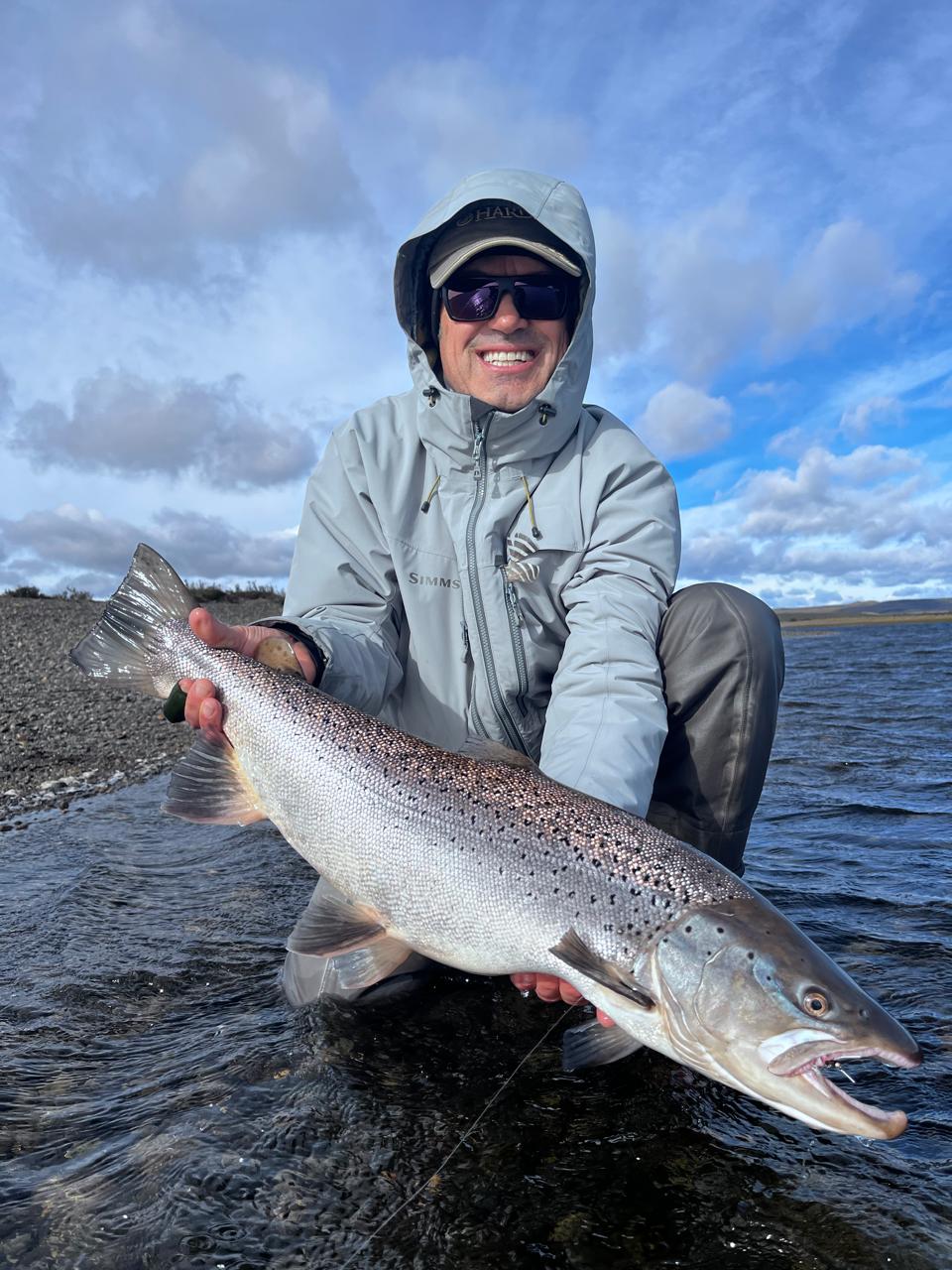
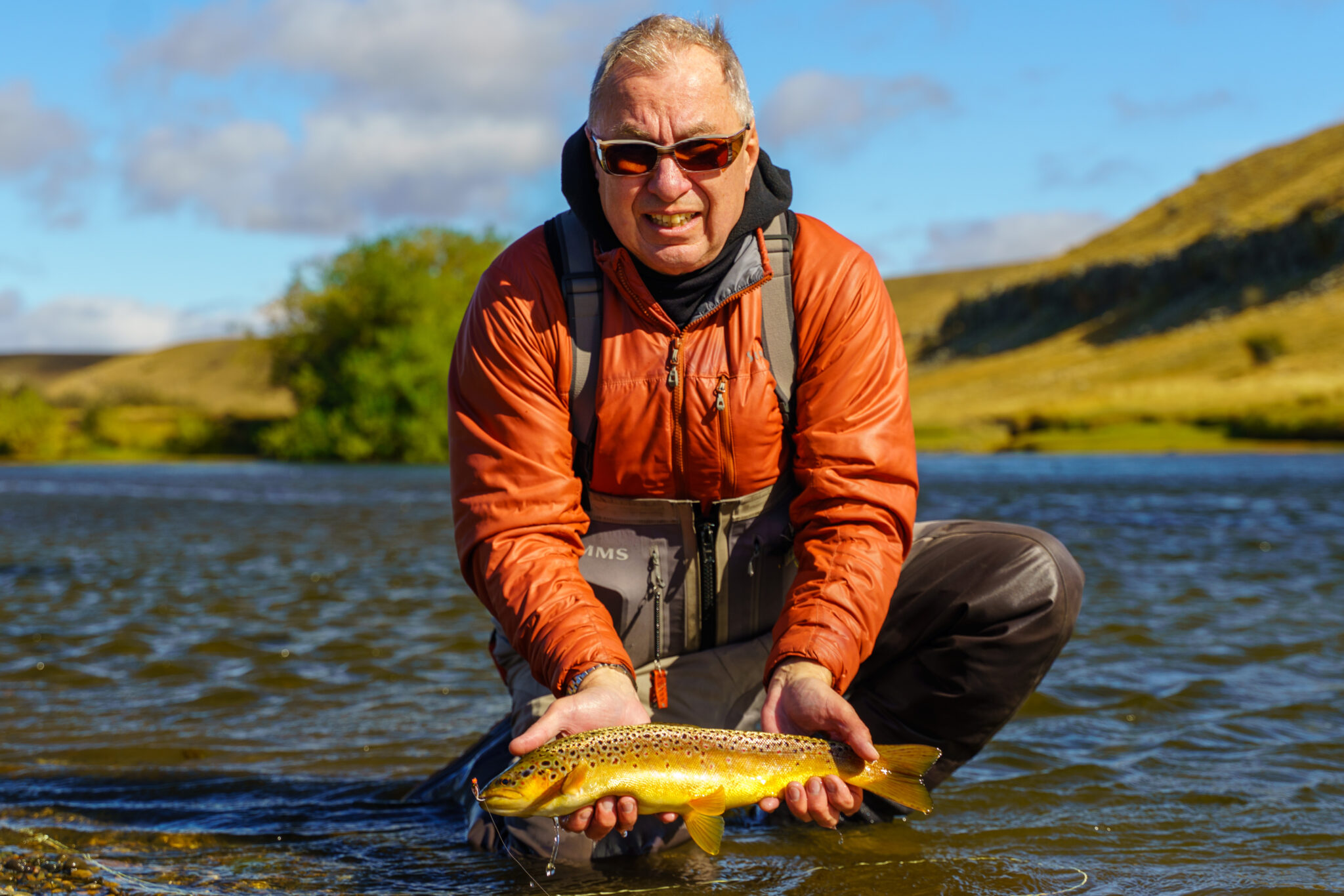
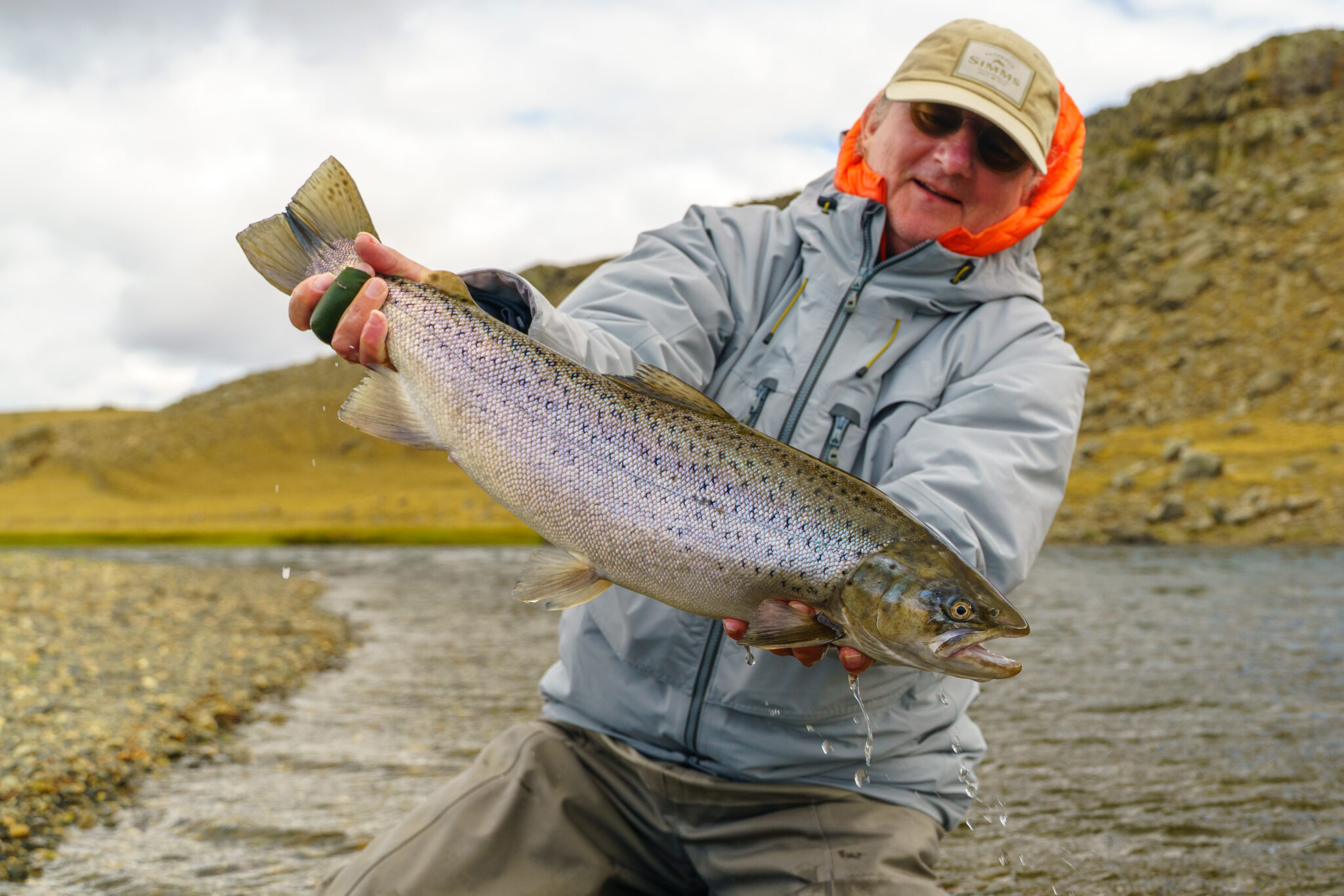
This was where Peter landed his best fish of the week. Using one of our most productive nymphs — the “LB Marianne” — he persuaded a fresh 15-lb male to take his well-presented fly.
The sea trout of the Río Gallegos have a few very distinct behavioural modes.
Mode one: the confident, aggressive side — striking with extreme violence.
Mode two: the timid, inquisitive side — touching the fly so gently that you barely notice anything there at all.
And then there’s mode three: the totally spooked mode — when they flee the moment they sense anything suspicious.
Fortunately for Peter, on this occasion he encountered a fish firmly in mode one. As he stripped the fly across the gentle current, it was attacked with real intent.
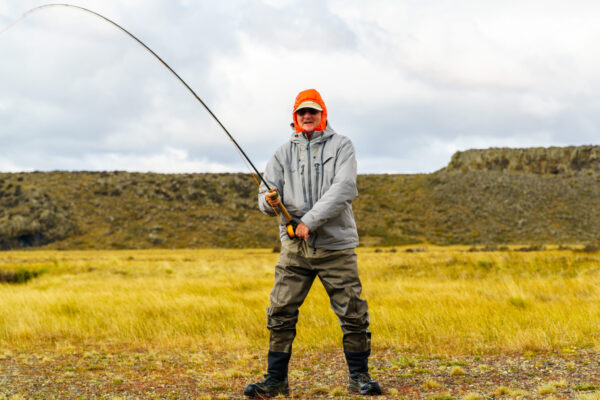
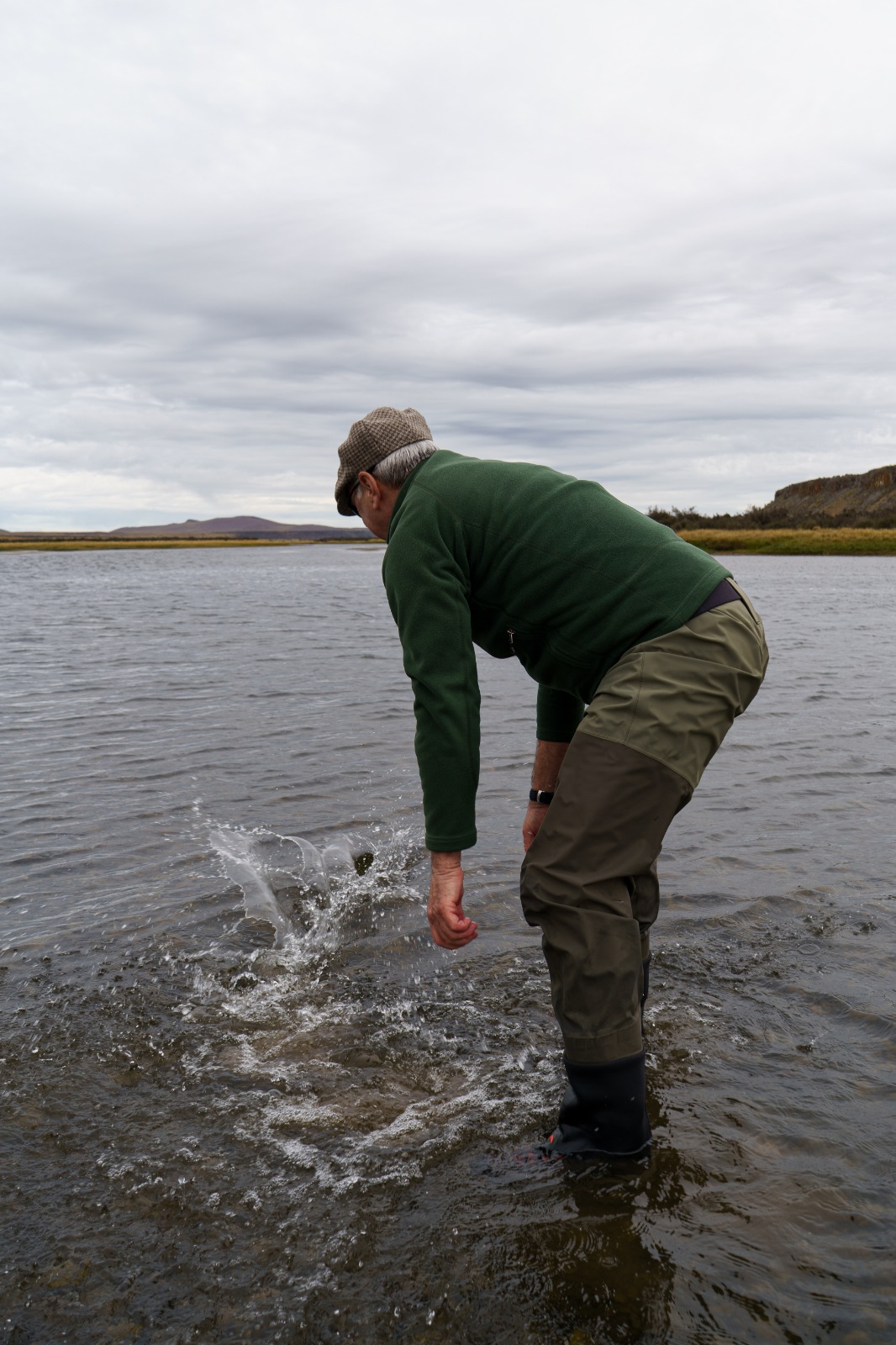
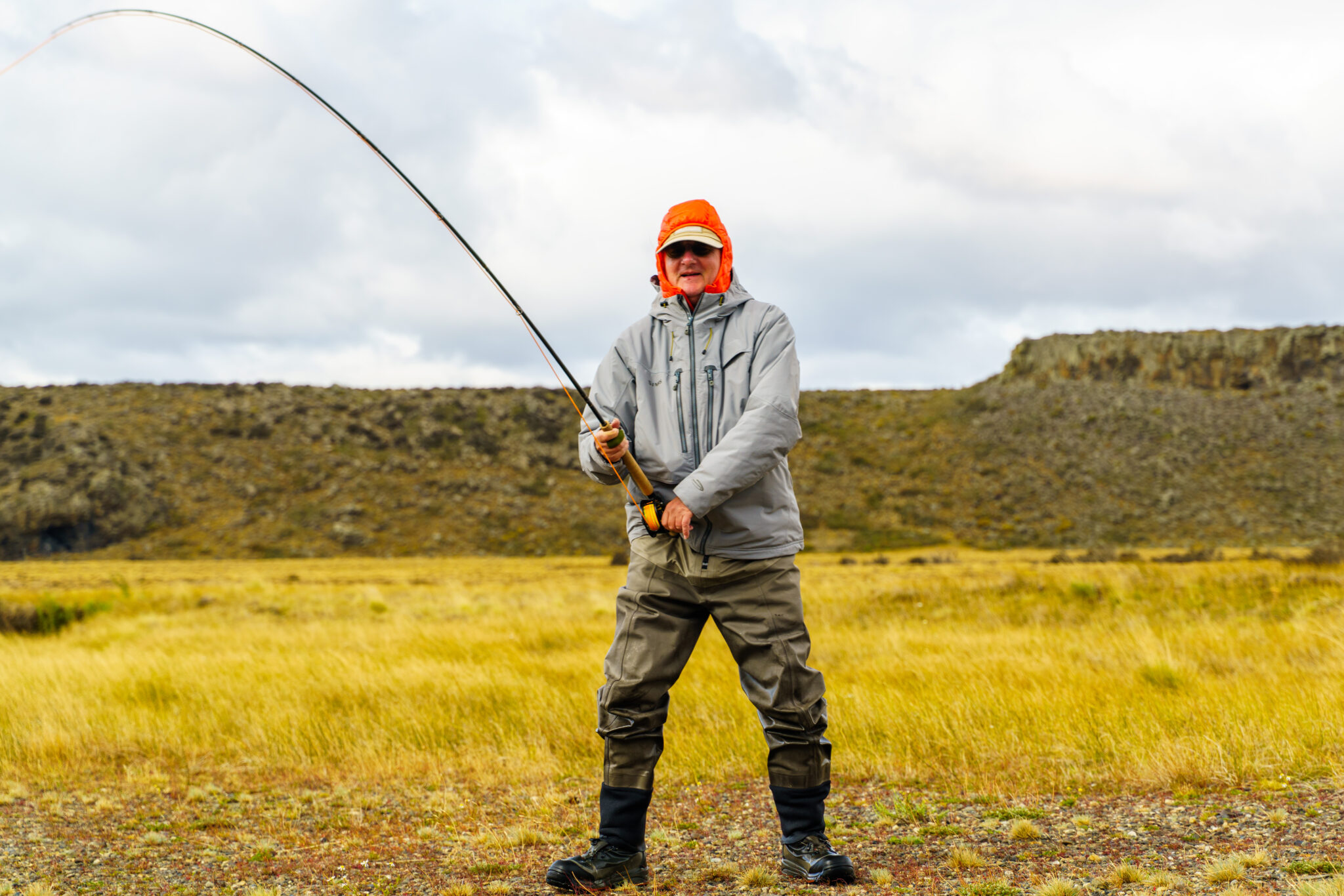
But Peter was well prepared and immediately connected with the brutal take. The fish reacted in typical fashion, charging around the pool trying to create as much chaos as possible. Peter, however, had seen it all before. His years of experience proved more than enough for this badly behaved silver tourist.
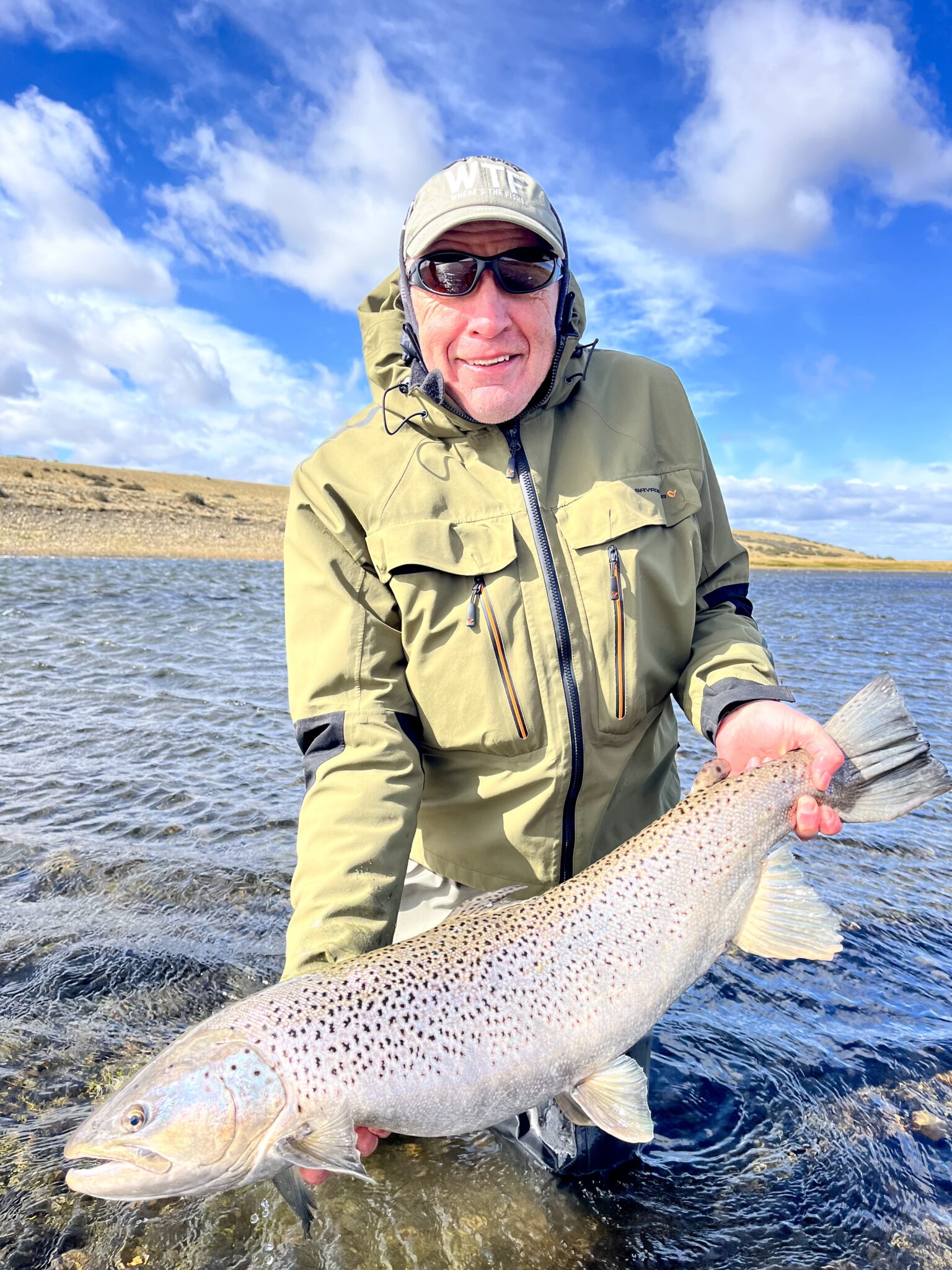
John, on the other hand, had to wait until mid-week for his best fish.
Zone U1 is an area that has felt the effects of prolonged low water a little more than others. It contains several very interesting pools that usually fish extremely well when water levels are higher — and one in particular carries some history.
“Orilla Ripio” is the uppermost pool within the Las Buitreras operation and has produced many notable captures over the years. On this occasion, it certainly delivered.
During the strong winds on Wednesday the river gained a little colour, forcing a change in tactics. John opted for a “Snakefly” pattern — a decision that proved spot-on. Its mobile wing material remained highly visible in the churned-up water.
At a moment when simply staying on his feet was already a challenge, John was suddenly hit hard by a fish on a mission — a mission to destroy the target. Unfortunately for the fish, that target happened to be armed with a hook.
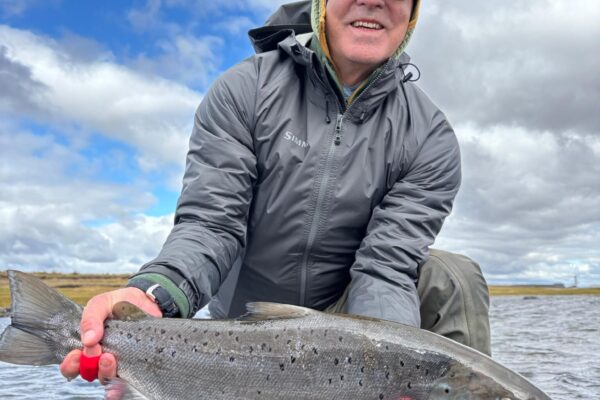
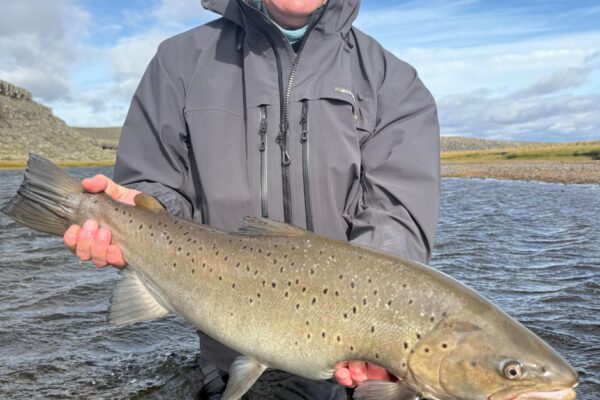
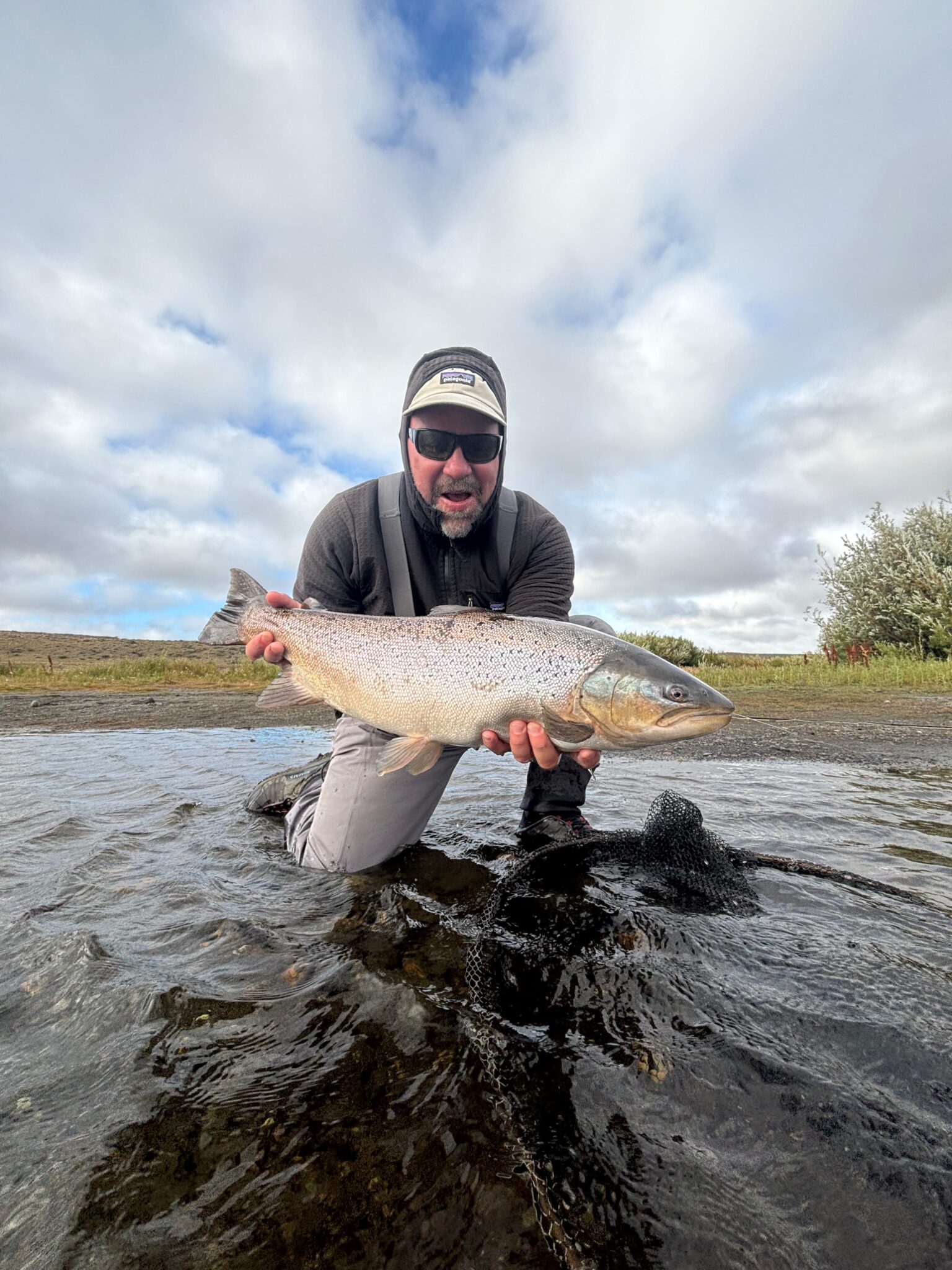
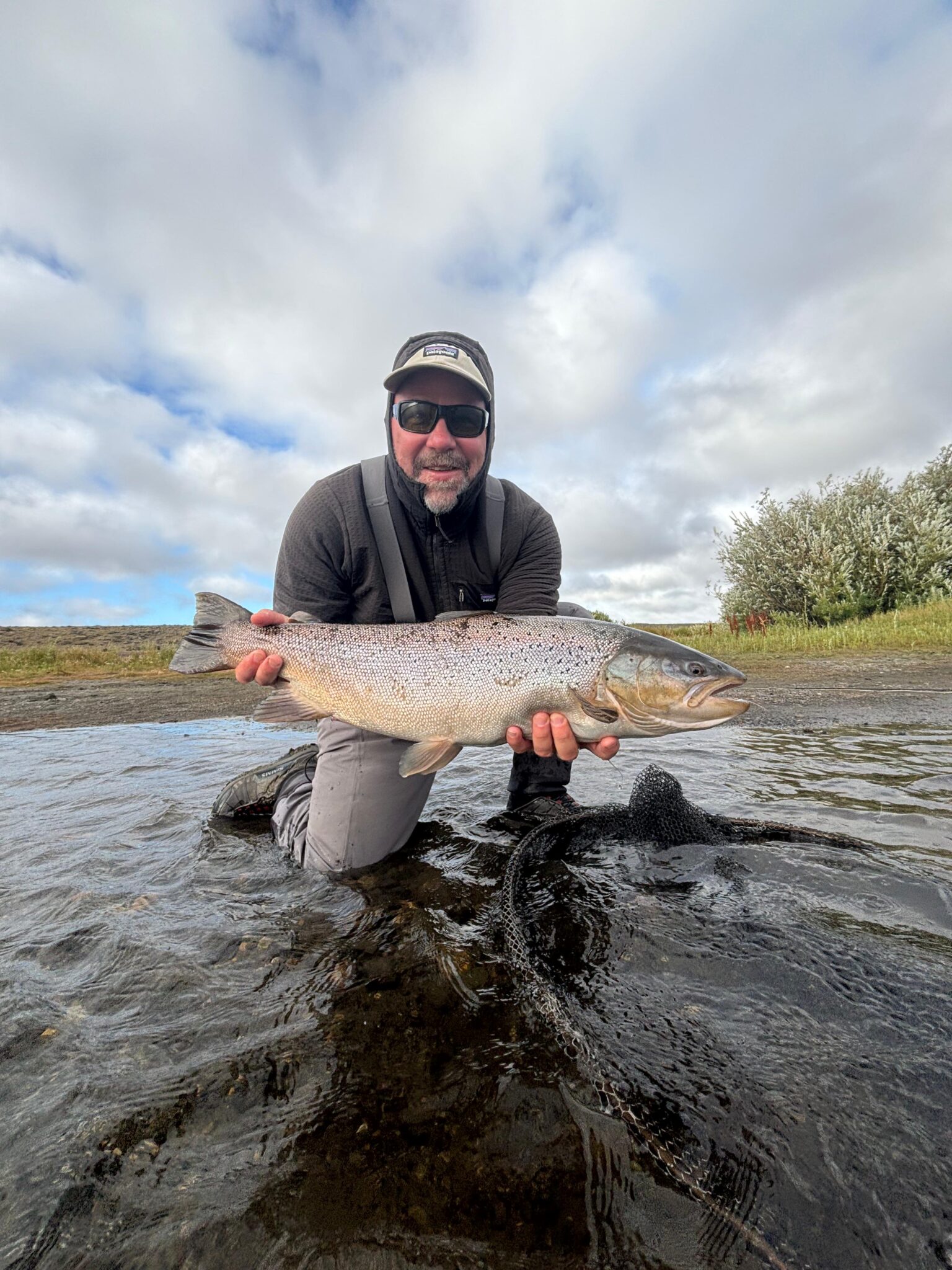
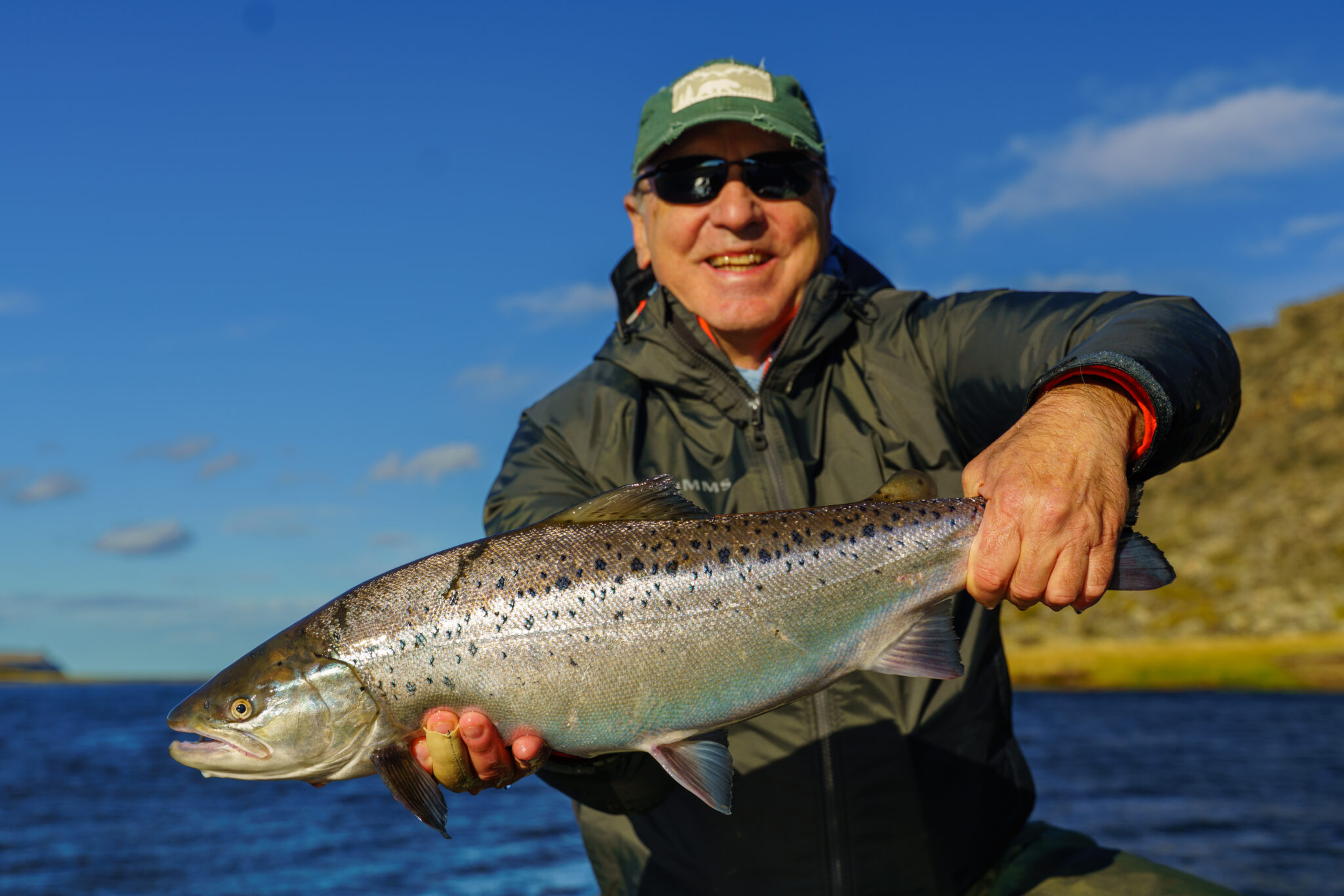
A lengthy fight followed, and John was more than ready to go toe-to-fin with the angry specimen. Swaying in the wind, he handled the situation admirably. After a long and somewhat messy battle, it was finally time to reap the reward as the net slipped under a super-fresh 17-lb hen — a very well-deserved result.
Well done, John!
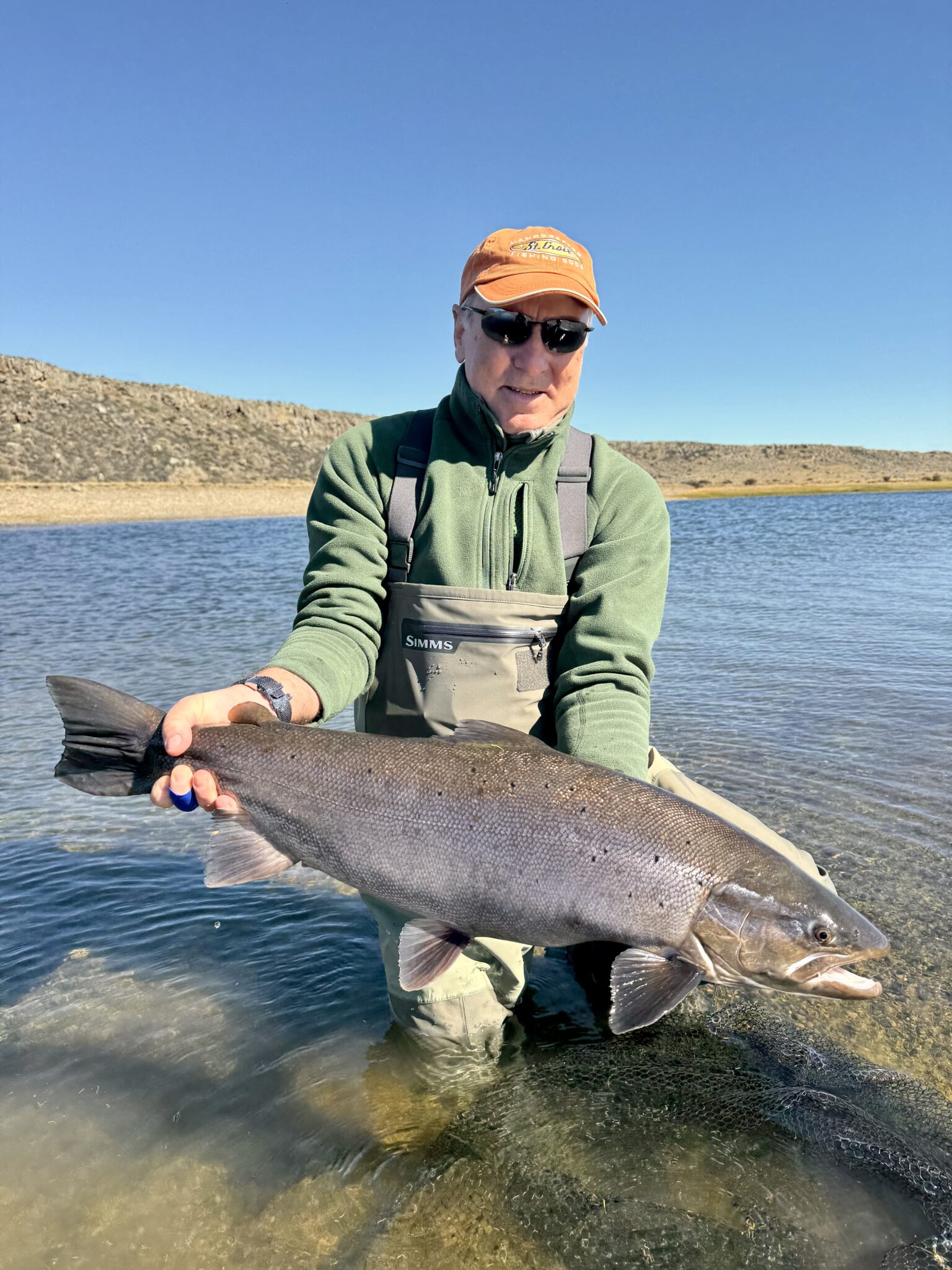
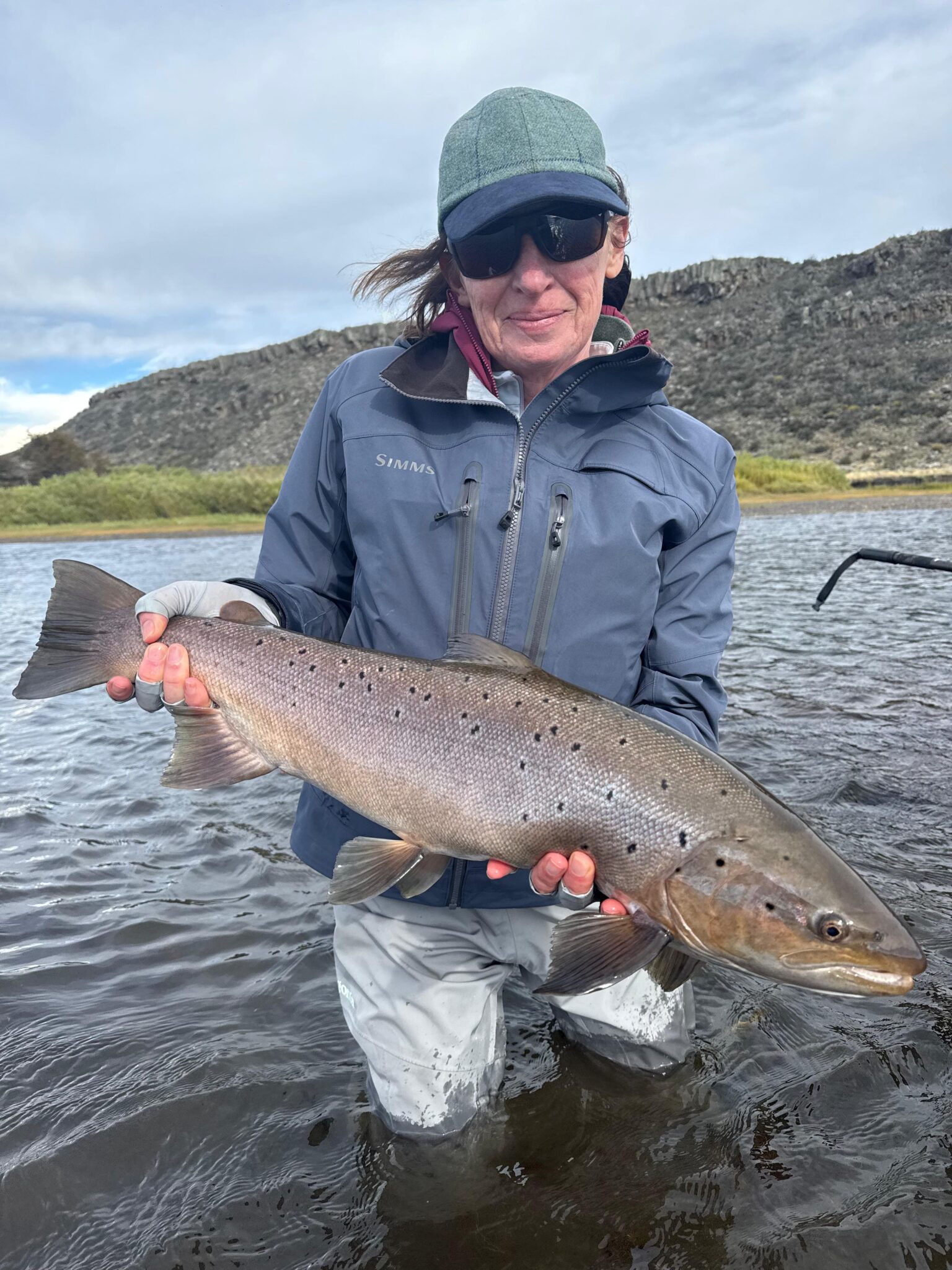
Marco and Amanda — a couple who have visited us many times — have experienced plenty of memorable moments here. There is always a subtle sense of friendly competition between the two, and this season was no different.
They enjoyed a great week, landing a good mix of numbers and size from almost every area they fished. However, Zones 1 and 2 produced their best results.
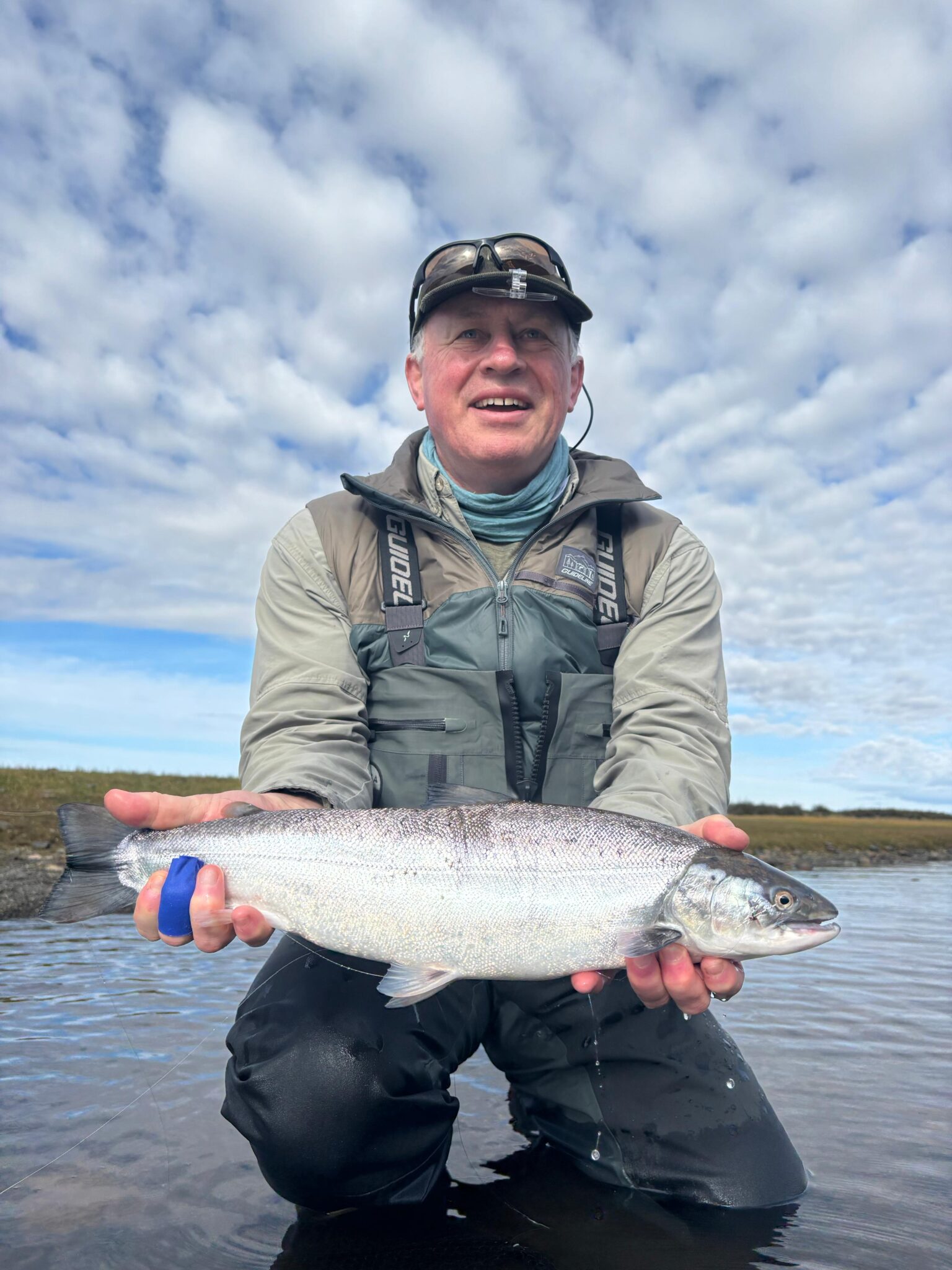
During a morning session on the holding pool “Seventy Five”, Marco hooked several good fish. After missing a few takes and losing one or two, he eventually landed a couple, with the best weighing 9 lbs.
Meanwhile Amanda worked the tail-out section — slightly disconnected from the main pool and really a pool in its own right. A new spot in rotation this season that we call “Peca Pool”.
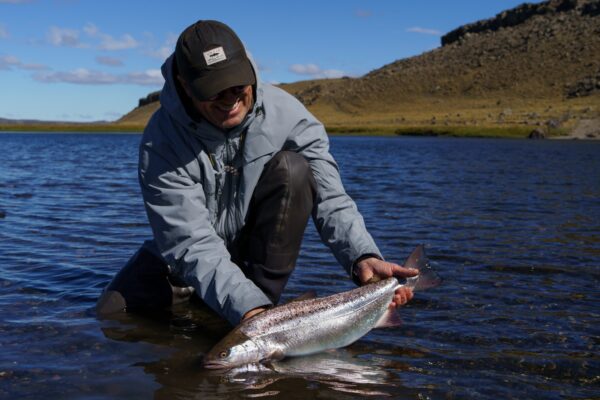
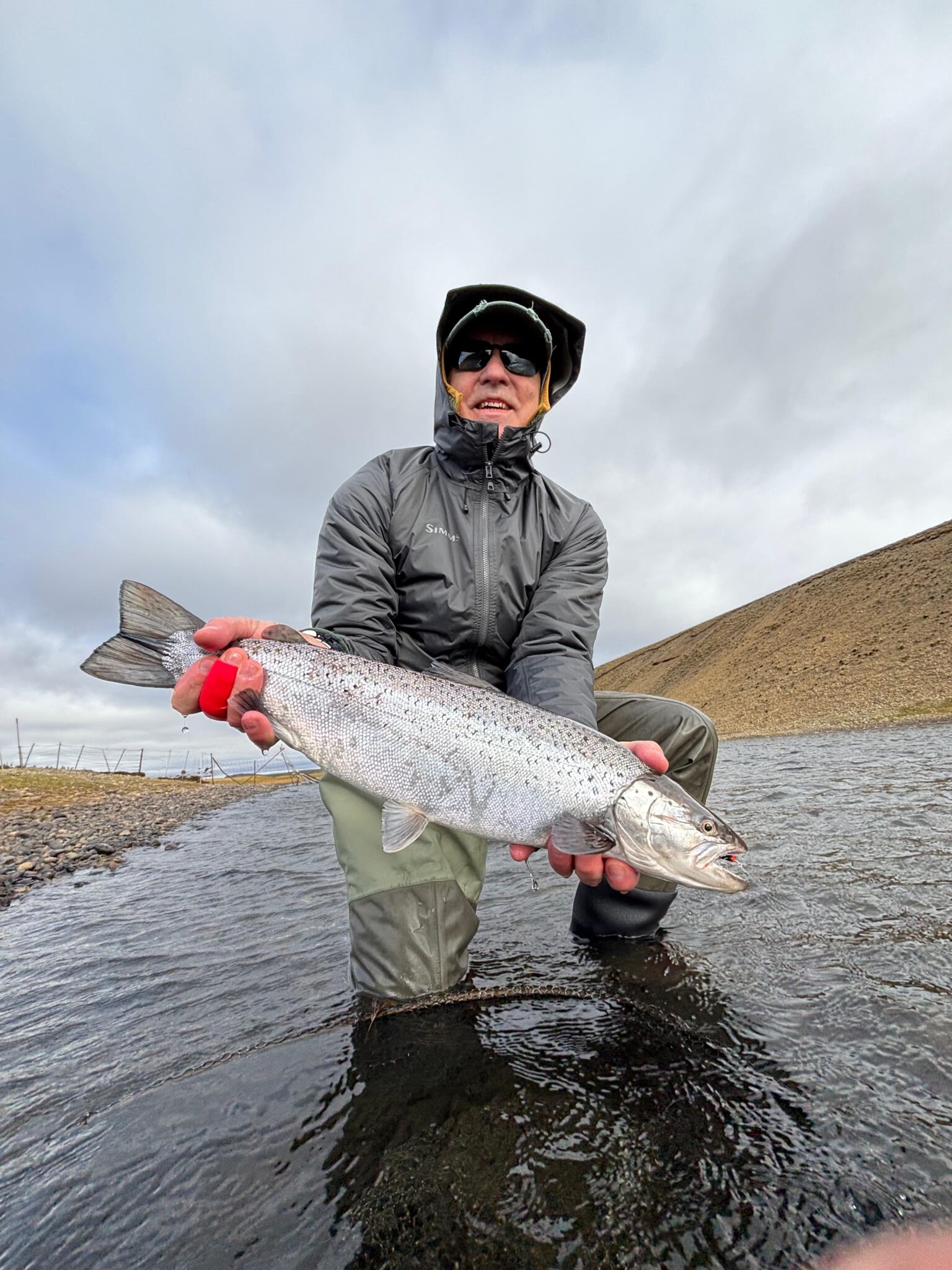
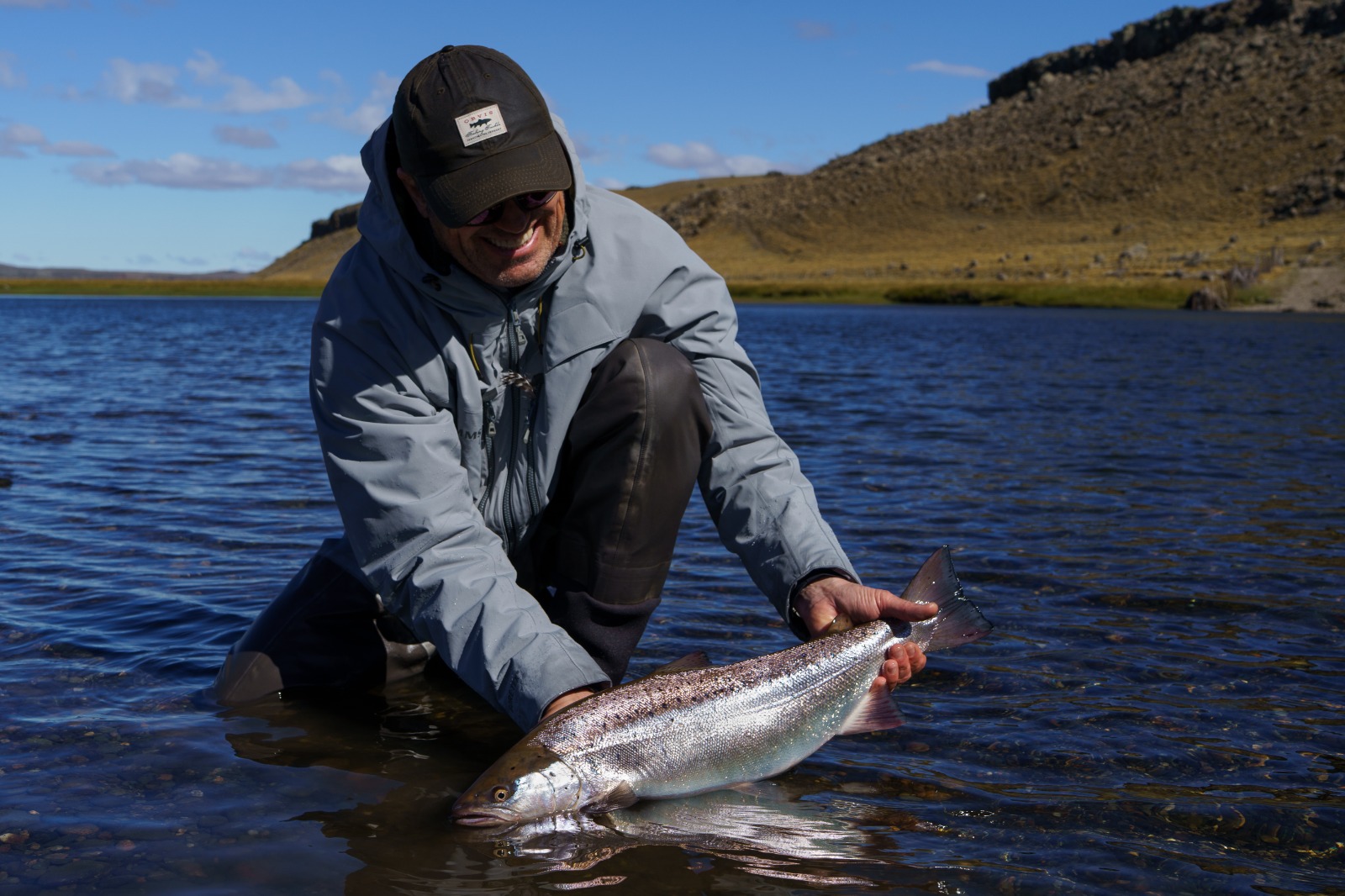
It is a very narrow pool with a fast flow — perfect for swinging the fly salmon-style. Amanda covered it perfectly and, once again using the “LB Marianne” nymph, hooked and landed a lovely 11-lb fish — the first of several double-digit fish they would catch during the week.
Next stop “Ochenta”. Marco’s guide, the ever-enthusiastic German, spotted a couple of fish rolling and moving near the surface. Excitedly, he positioned Marco in prime position to cover the pool with a small salmon fly.
It didn’t take long to get a take — although the first fish was not one of the intended targets, weighing only around 4 lbs.
With the larger fish still active and occasionally breaking the surface as they moved up and down the water column, they decided to try again. A great decision.
The tiny fly was struck with the subtlety of a sledgehammer. The take was so violent that it practically set the hook itself.
The fight started with a series of explosive jumps as the fish threw itself around the pool. When that failed, it changed tactics — diving deep and using its size and the current to apply heavy pressure.
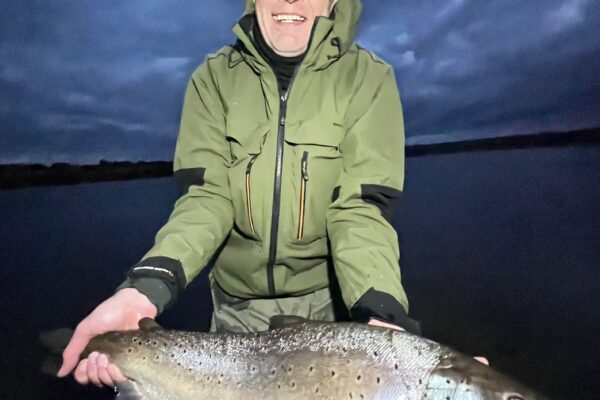
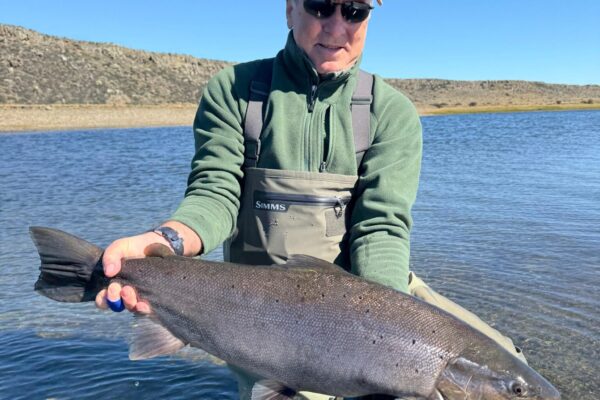
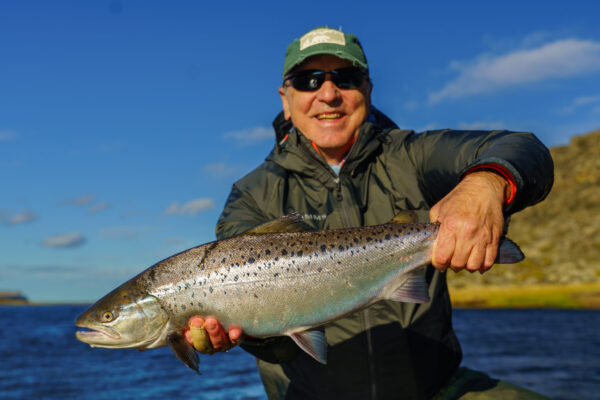
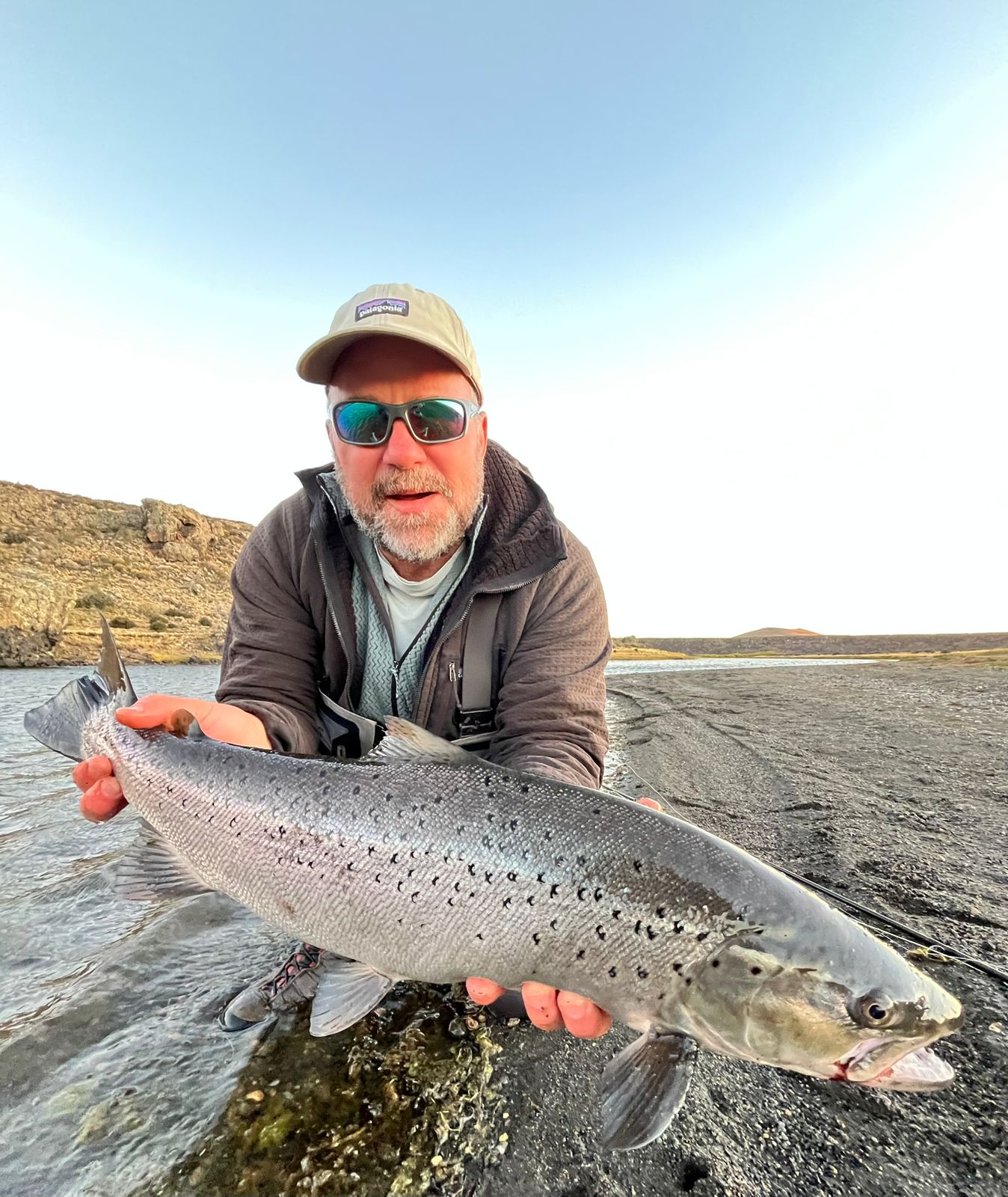
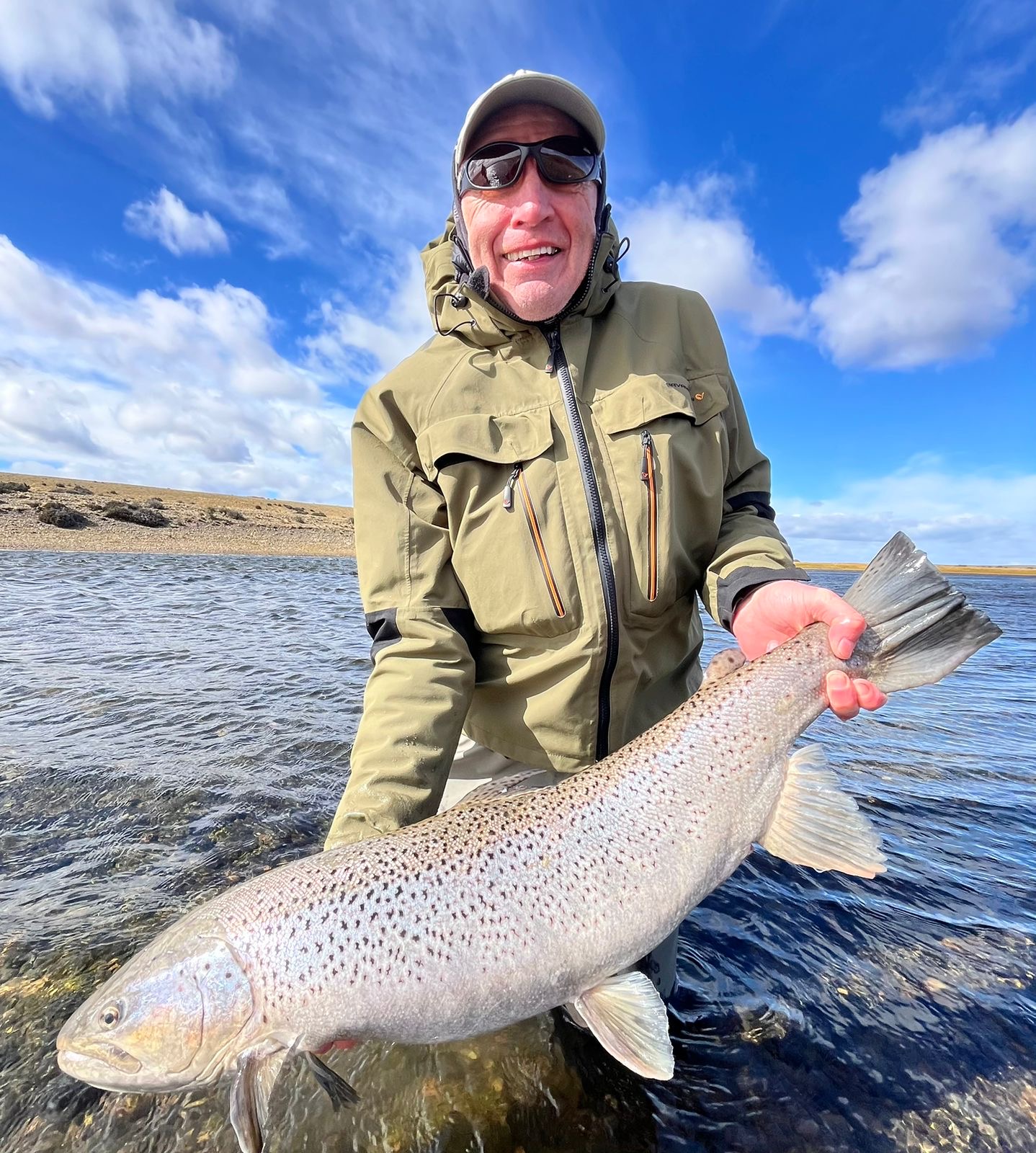
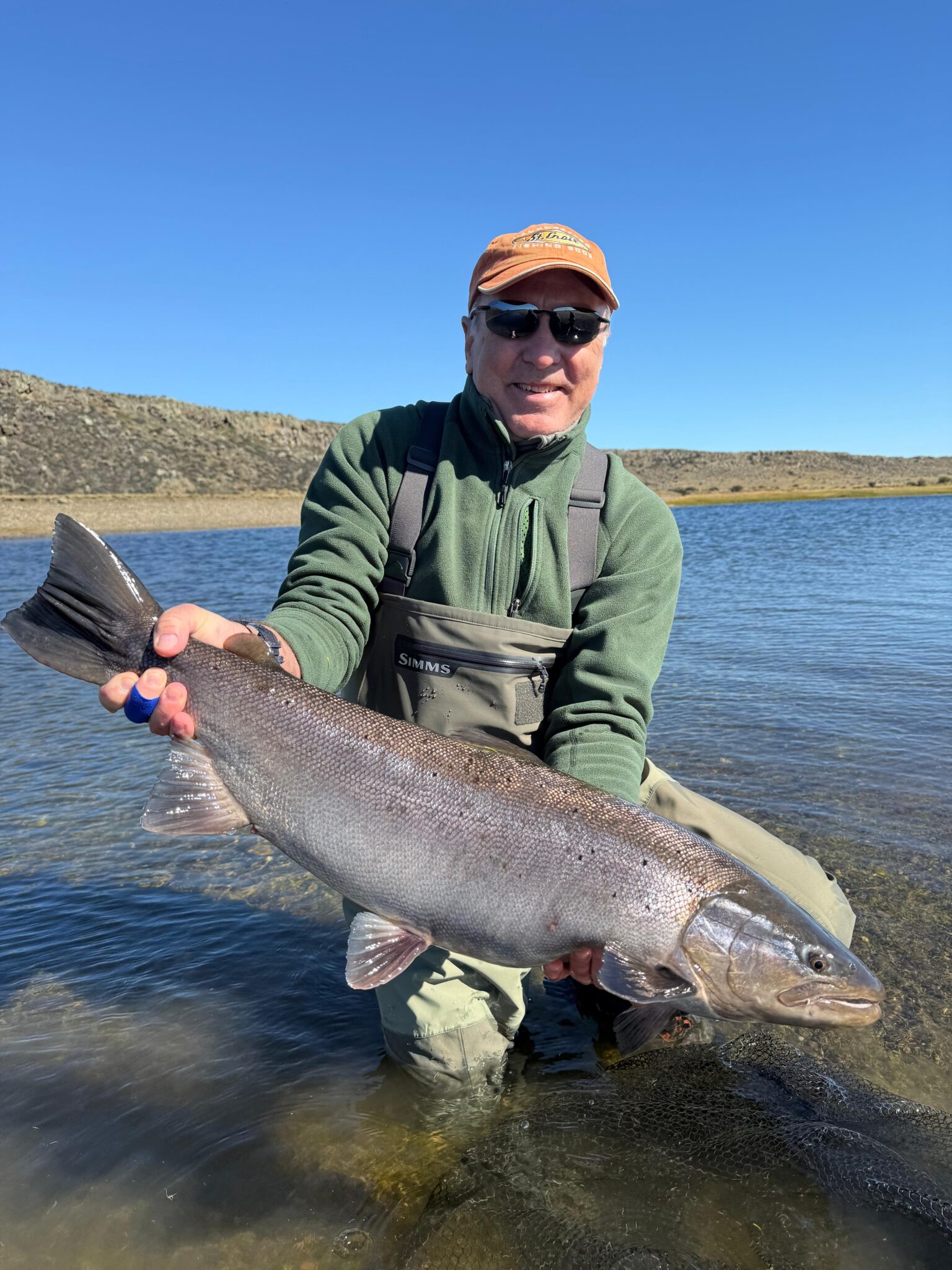
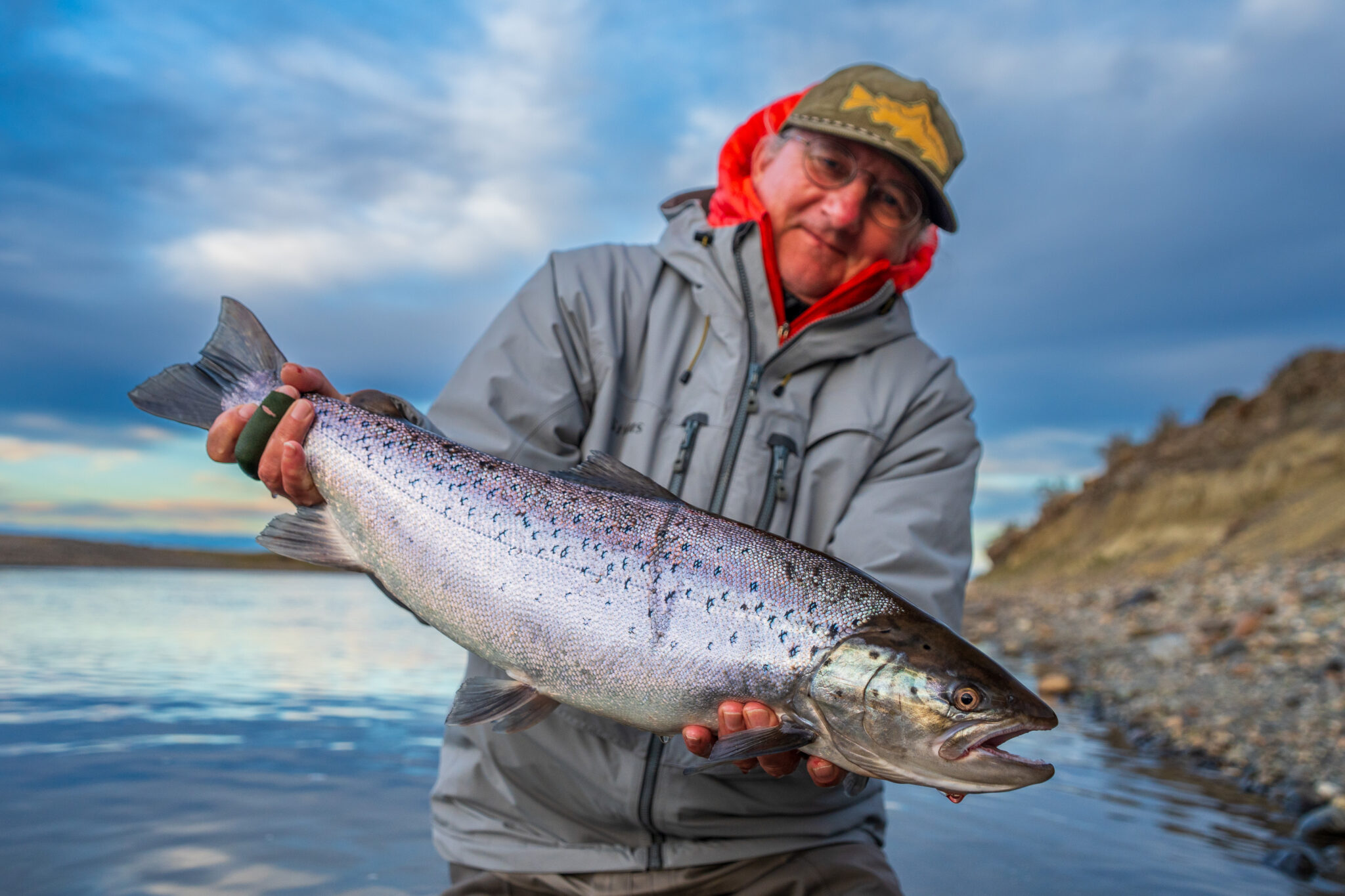
But Marco had been in this situation many times before and knew exactly what it takes to finish the battle. Eventually he guided the magnificent 19-lb fish into the waiting net — much to the relief of the very excited German.
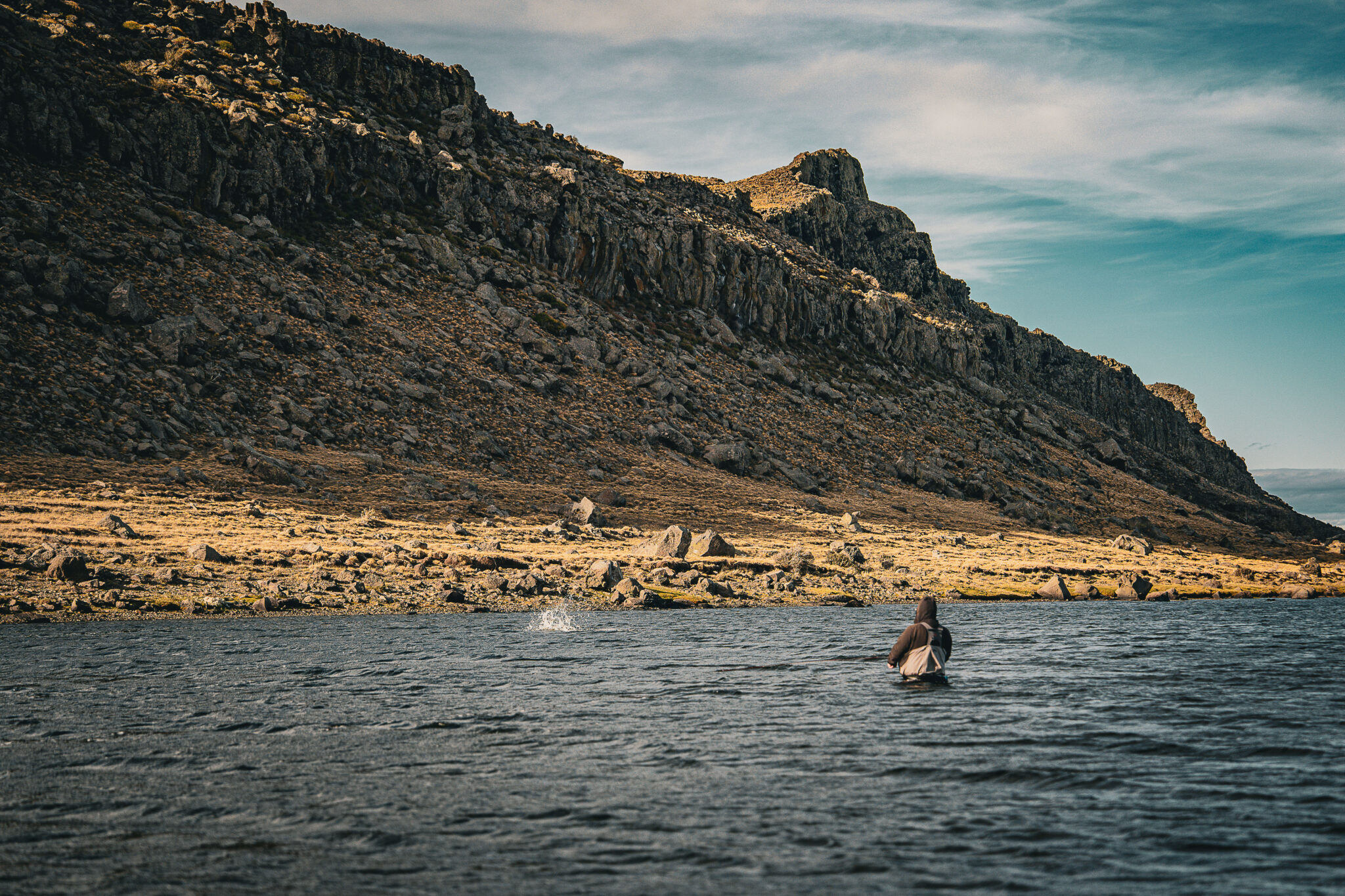
The following day Amanda visited one of our guests’ favourite spots, “Little Corner”, but unfortunately came away empty-handed. Marco fared slightly better, landing a small fish of four pounds.
A few casts later he hooked something that felt very substantial — only to lose it after a tackle malfunction.
Frustrated, they moved on to another pool before deciding to return to “Little Corner”. And what a good decision that proved to be — at least for Amanda.
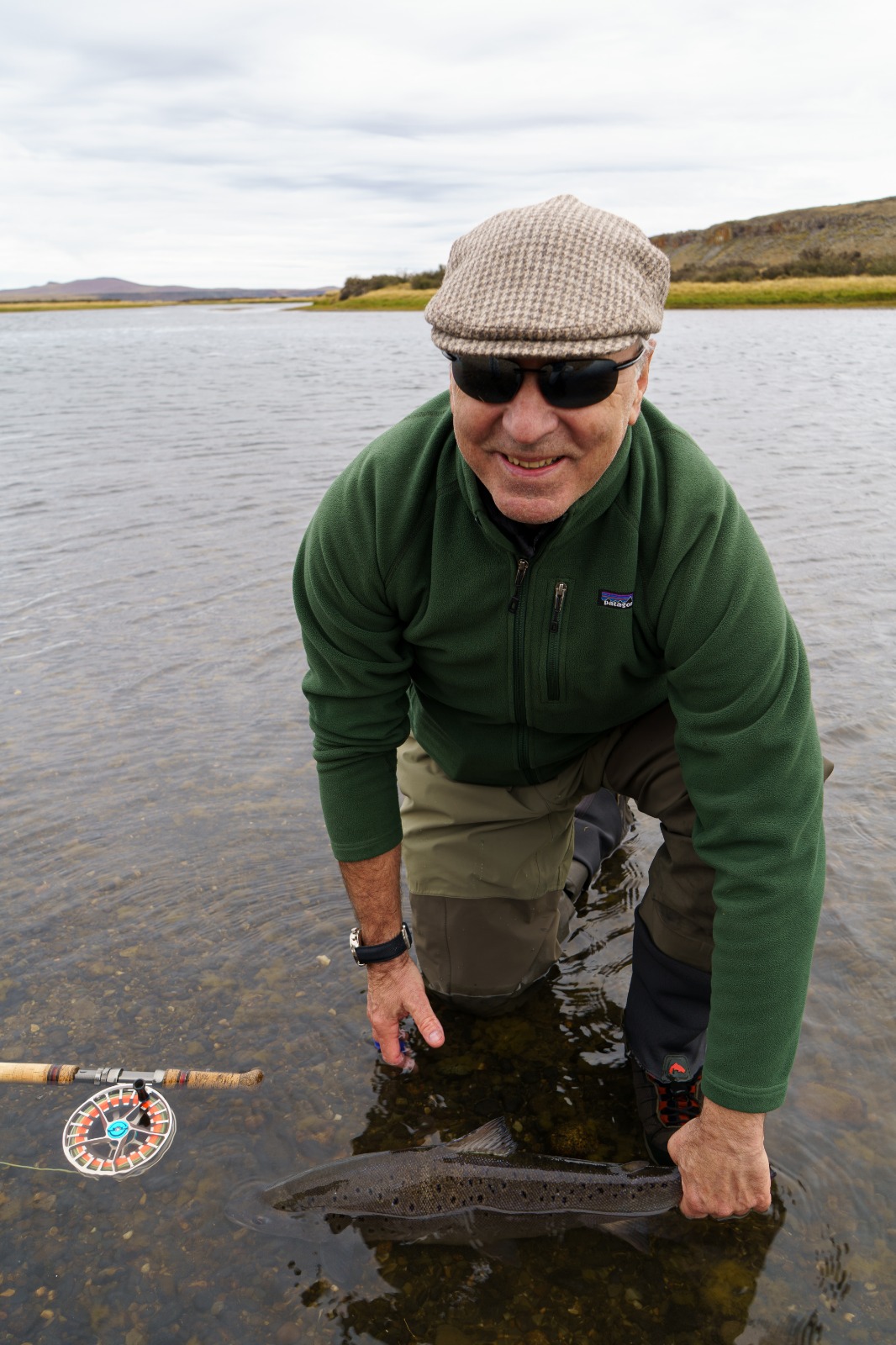
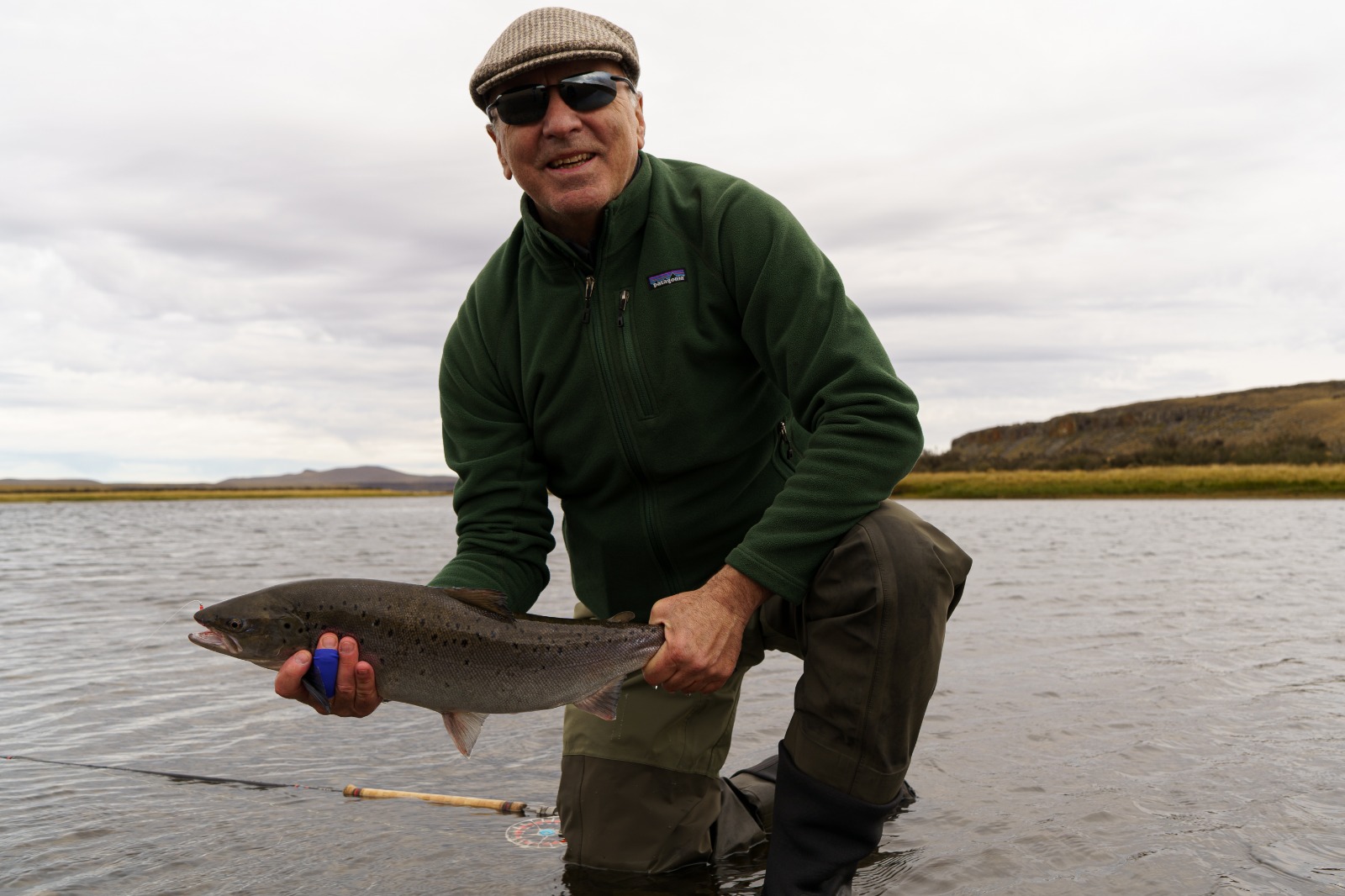
She chose the exact spot where Marco had previously lost his big fish. A good move. Just a few casts later she hooked a big fish. A beautiful fish showing a little colour, weighing in at 14 lbs.
Marco did manage another small one afterwards, but spent the rest of the evening claiming that Amanda’s fish was probably the one he had lost earlier. The friendly banter between these two is always entertaining!
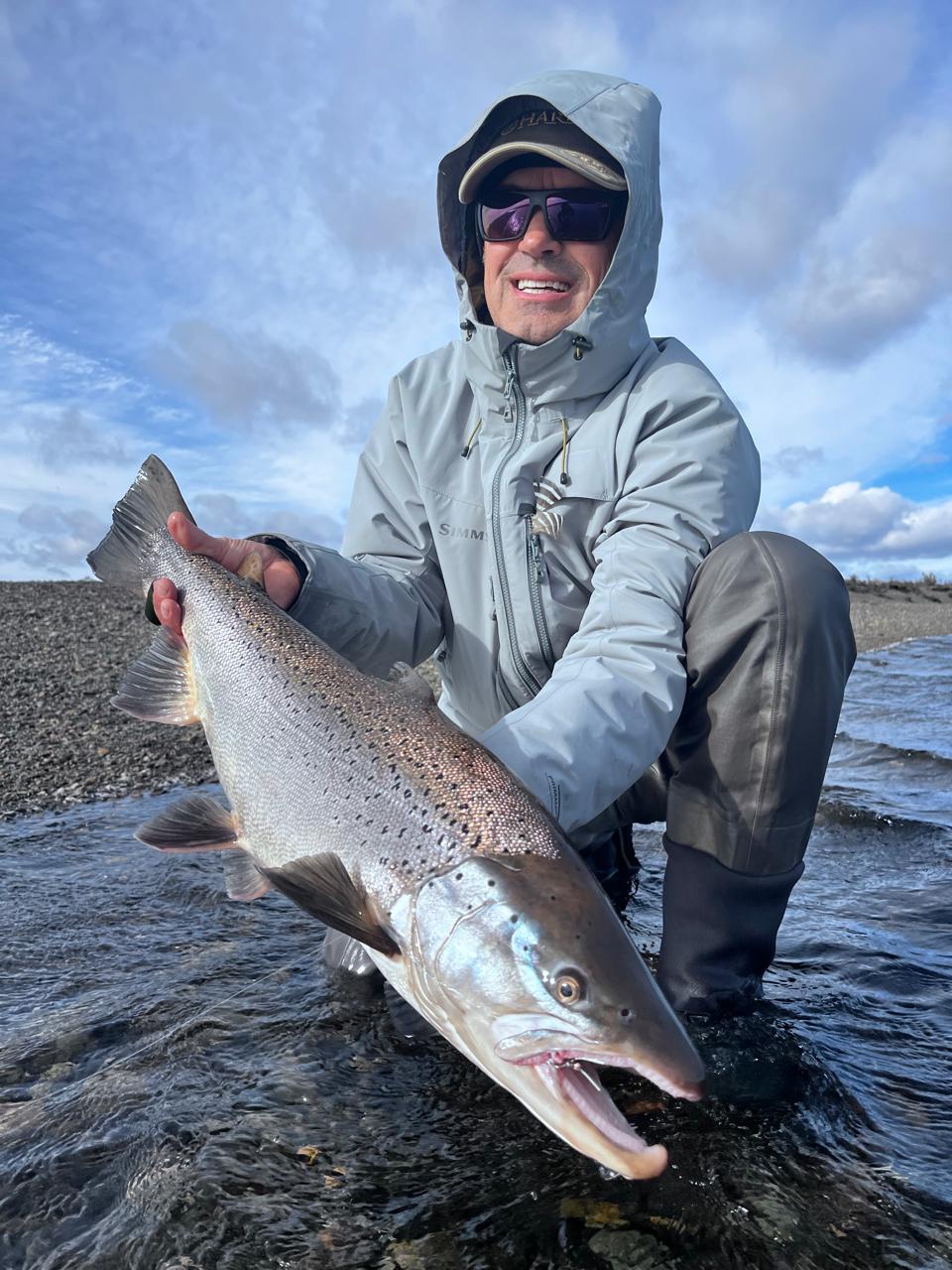
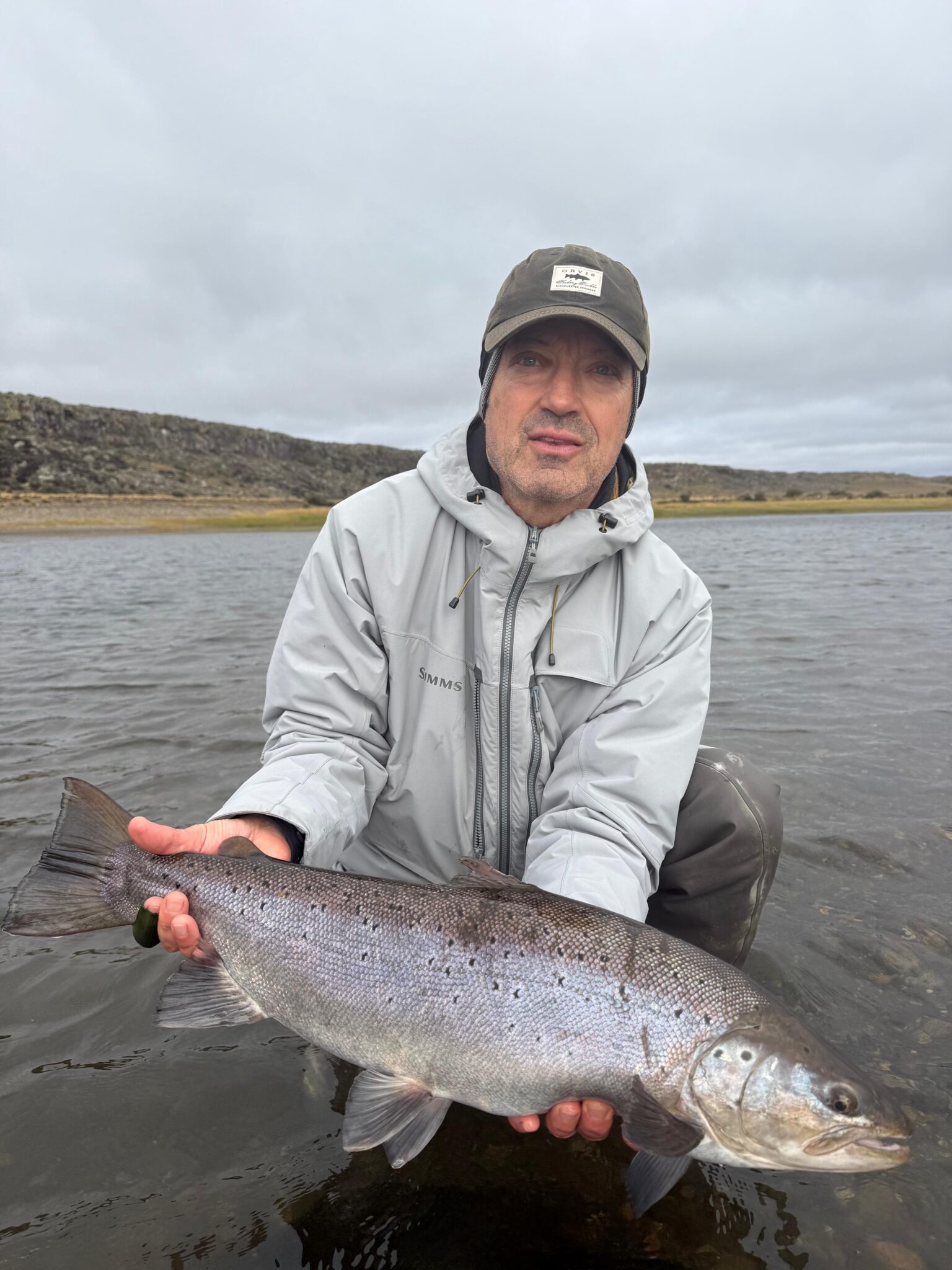
Moving on to our German guests, who were enjoying the final week of their two-week stay.
Sven and Michael once again performed admirably, landing close to twenty fish between them. Sven was very consistent, catching fish in most areas, although mostly in small to medium sizes.
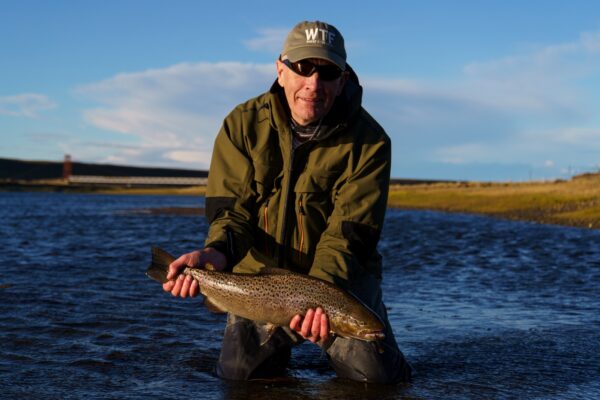
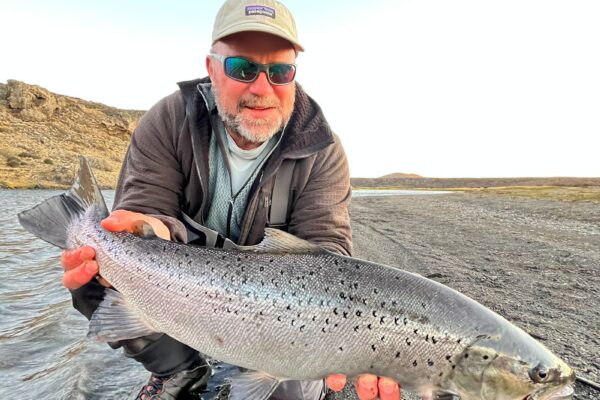
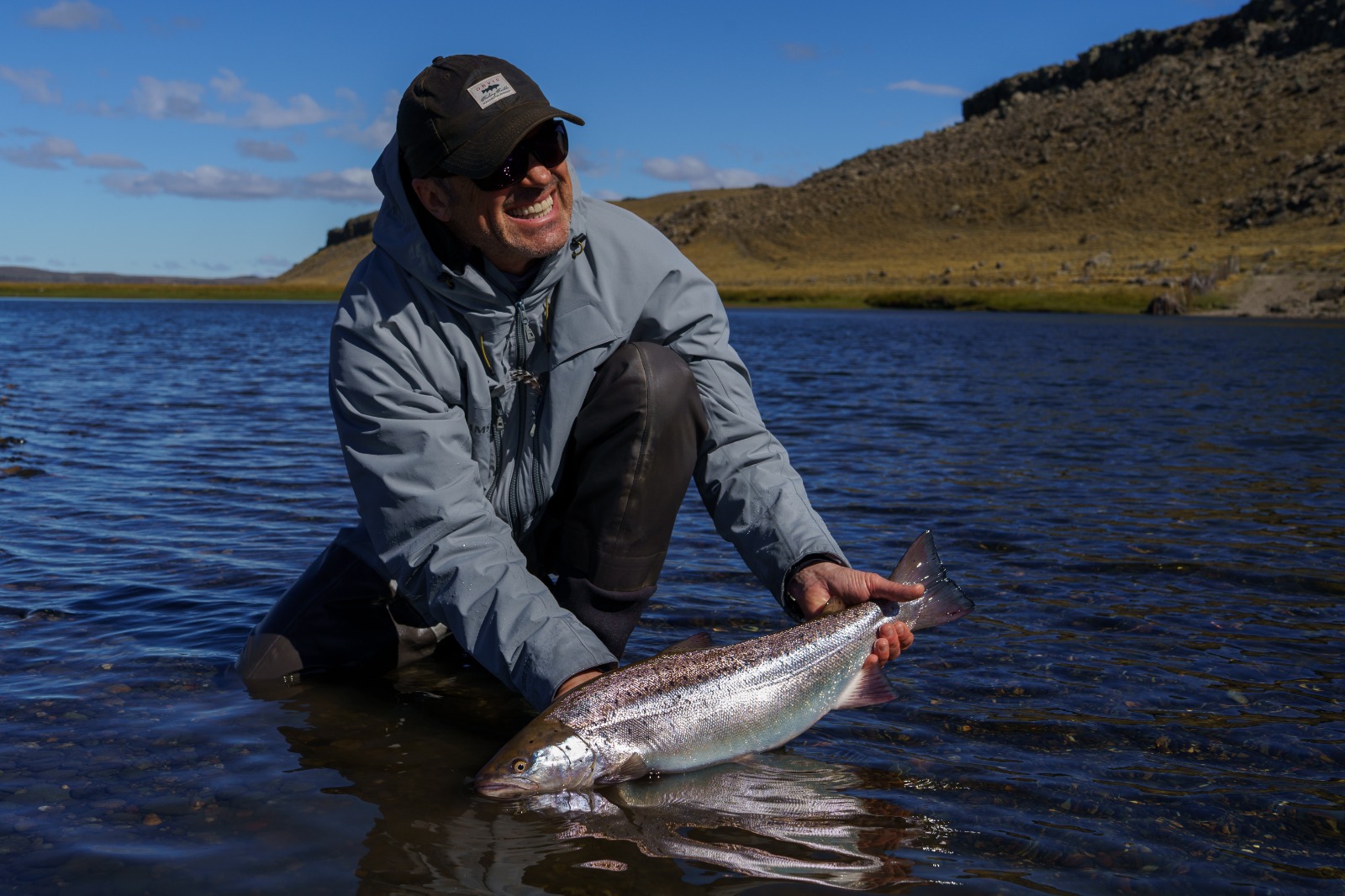
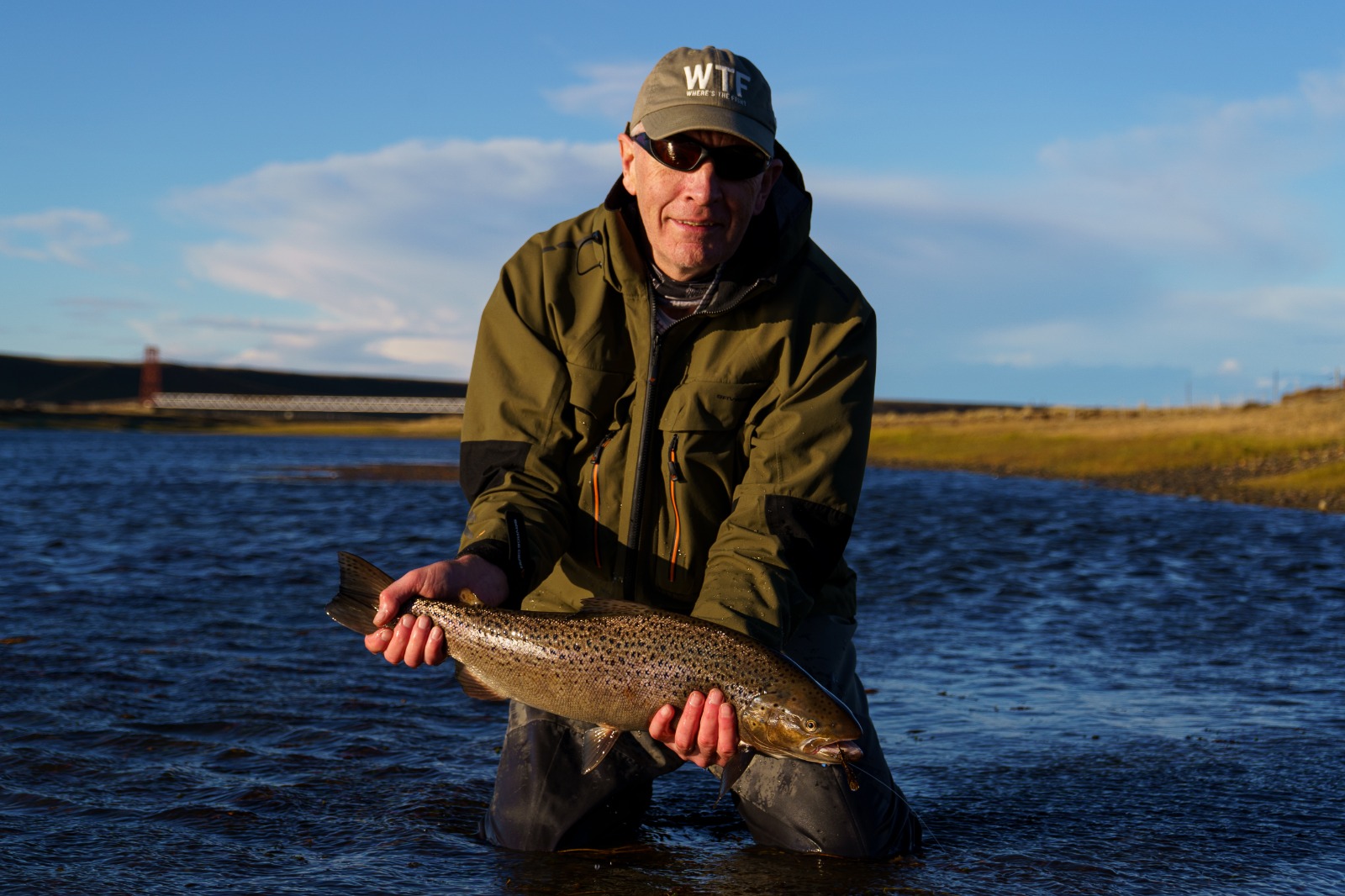
Michael caught slightly fewer fish but did better in the size department. Using an old-school salmon fly — the “Ally Shrimp” — he tempted a very fresh 12-lb fish from the big-fish Pool of the Week, “Ochenta”.
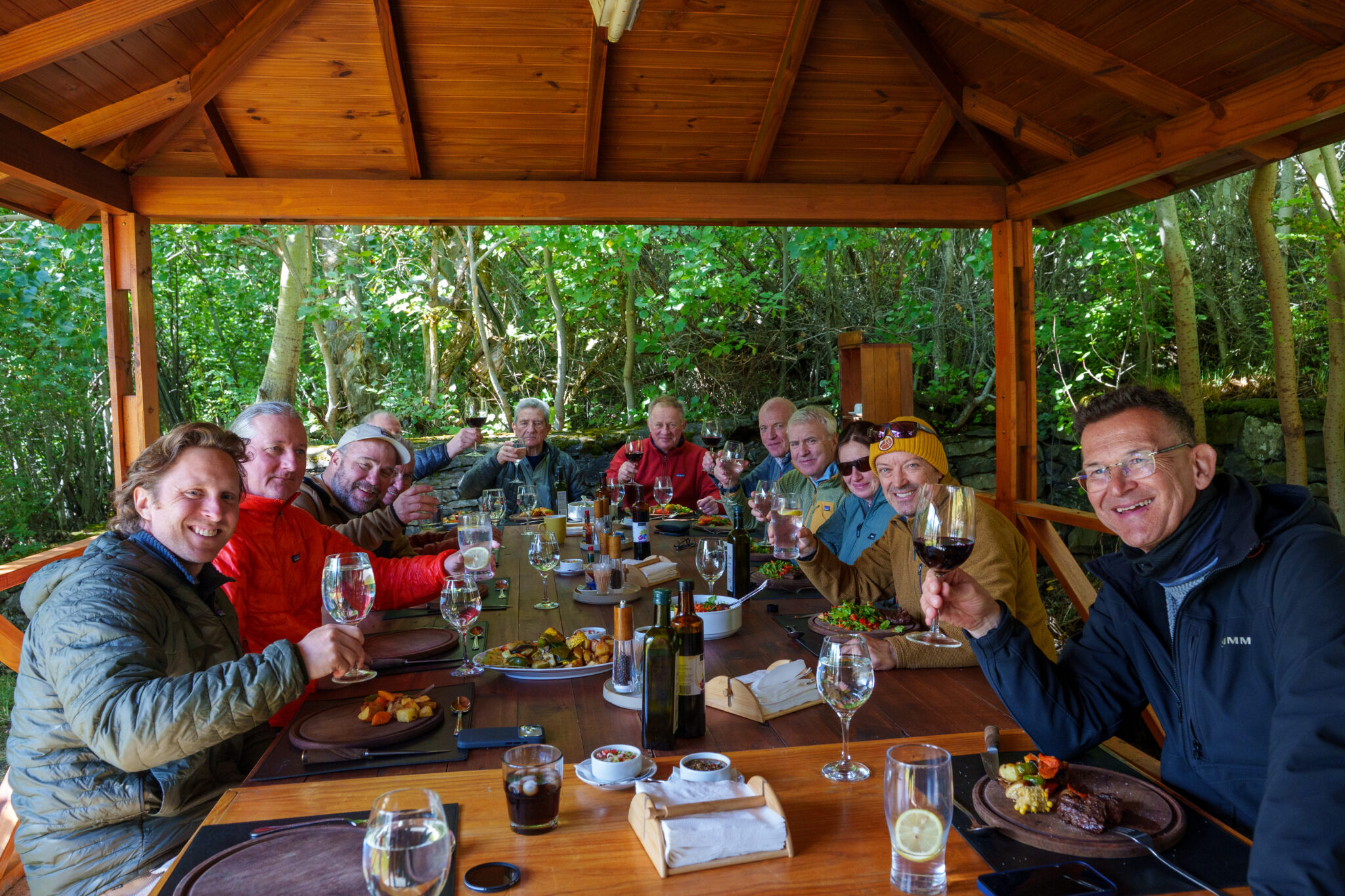
Towards the end of the week Michael, while fishing the holding pool “Cantera”, landed another double-digit fish of 11 lbs on a very small “Copper John”.
Toni, always in good spirits, enjoyed a good week as well. His first fish of the week turned out to be his best — an 11-lb fish from the pool “Seventy Five”, caught using one of his proudly hand-tied “Copper John” variations. He continued to build respectable numbers throughout the week, landing several more fish close to double digits. With over 50 boxes of flies to choose from, all tied by himself, we were impressed that he managed to get out on the river at all. Having one full box is enough to give many of us a headache when trying to pick a winner.
The rest of our guests all managed to get their names in the catch book, but as we all know, this is a sport where luck can play a significant role.
Our American guest this week was Sam, was on his third visit to Las Buitreras, and knows very well what it takes to find success here.
Sam’s bad luck, however, did not occur on the river. Unfortunately he suffered a bout of illness during the week, preventing him from fishing as much as he would have liked — even forcing him to miss a few sessions.
Despite this setback, Sam still managed to catch a handful of chromers, mostly medium-sized fish up to 10 lbs. And fortunately, Sam had the foresight to book two weeks of fishing with us, so even though he missed a few sessions, he didn’t get stressed or upset as there was plenty of time to go. And the big fish would come for Sam — stay tuned.
Our Italian guests Sergio and Ferro both thoroughly enjoyed their Río Gallegos experience. Sometimes people say the weather follows you around, and unfortunately for these two it seemed to be true.
Each time their rotation brought them to the “hot zones”, wind direction and weather conditions made covering the pools particularly difficult. Nevertheless, they still managed to land several good fish. Sergio’s best weighed 13 lbs, while Ferro’s topped out at 12 lbs.

Before bringing this entertaining week to a close, we would like to extend a big thank-you to all of our guests who helped make this week one to remember.
There is something truly special about hosting a seasoned group of regular guests who know each other so well. The relaxed conversations and endless rounds of humorous banter create a wonderful atmosphere where the outside world simply disappears.
Thanks to all and see you next time!
Stats of the week
Biggest sea-run brown trout landed: 19 lbs by Marco
Average size: 7.1 lbs
Best fly: LB Marianne, Copper John, Silver Shadow.